
TikTok Money-Making Checklist: 30-Day Beginner Plan

Turning TikTok views into income is part creativity, part consistency, and a whole lot of repeatable process. A checklist-based approach helps beginners move faster: set up the profile correctly, pick a content lane, post with a simple system, and add monetization methods only after the basics are stable. The goal is momentum—more watch time, more followers, better offers—and a clear path from first post to first dollars.
What “getting paid on TikTok” actually looks like
Getting paid on TikTok usually means stacking a few income streams over time rather than waiting for one massive payout. Common paths include brand deals, affiliate links, shop/product sales, LIVE gifts, digital products, services, and platform programs (availability and eligibility can vary by region and change over time). You can learn more about current platform tools and resources through the TikTok Creator Portal.
For most beginners, the first dollars come from affiliates or small brand deals. A clean profile, clear niche promise, and consistent posting typically matter more than a single viral moment. Viral reach can help, but steady niche content that converts often outperforms random spikes in views—especially if each post points to a simple next step.
A checklist keeps effort aimed at actions that move outcomes: watch time, retention, saves, shares, comments, clicks, and conversions.
Quick start checklist: set up for trust and clicks
Start by making your account instantly understandable. In one sentence, define your theme: who it’s for + the result promised (example: “Budget meals in 15 minutes”). Then polish the basics: a readable username, niche-relevant display name, high-contrast profile photo, and a short bio with a single call-to-action.
Next, choose one link destination that matches your current content (link-in-bio, storefront, or lead magnet). Avoid rotating links too often—consistency improves attribution and keeps viewers from getting lost.
Finally, pin three videos to guide new viewers into a binge loop: (1) best value tutorial, (2) “start here” intro, (3) proof/result/testimonial or strongest social proof.
| Item | Done when… | Why it matters |
|---|---|---|
| Bio promise | A stranger understands the niche in 5 seconds | Improves follows and reduces bounce |
| Pinned videos | 3 pins cover intro, value, and proof | Guides new viewers into a binge loop |
| Link destination | One page matches current posts | More clicks and cleaner attribution |
| Brand-safe visuals | Consistent colors/fonts (optional) | Easier recognition in the feed |
| DM keywords (optional) | A simple auto-reply or manual script exists | Turns comments into leads |
Content plan that beginners can actually maintain
Consistency beats intensity. Pick one primary content lane and two supporting lanes so you never run out of angles. Example: primary “side hustle tutorials,” supporting “tools/apps” and “case studies.” This structure keeps your channel coherent while still giving you variety.
Use a repeatable rhythm: 4–7 posts per week for 30 days beats 20 posts in one weekend followed by silence. Build series content (Part 1/2/3) with a consistent title format to increase return viewers and follows. And give each video one job—educate, entertain, or convert—so the message stays clean.
To reduce creative fatigue, maintain a swipe file of hooks: questions, bold claims, before/after, myth-busting, and “do this, not that.” Rotate them, and you’ll always have a fresh entry point even when the topic stays the same.
Viral-ready structure: hook, hold, reward
Most high-performing TikToks follow a simple pattern:
- Hook (0–2 seconds): lead with the outcome, not the backstory; show the “after” first when possible.
- Hold (2–10 seconds): fast pacing, pattern interrupts (cuts/zooms/text changes), and on-screen text that matches what’s being said.
- Reward (end): deliver the promised value, then give a single next step (follow, save, comment keyword, or click link).
Keep the first sentence concrete with numbers, timeframes, and constraints (example: “3 ways to earn with 0 followers”). Clarity usually beats cleverness, and rewatchability often comes from tight editing plus a strong payoff.
Monetization checklist: choose one path first, then stack
Keep calls-to-action simple: test one CTA per week (save vs follow vs comment keyword vs link click), then keep what improves conversions. If you’re using affiliates or sponsorships, clear disclosures are typically required; the FTC Endorsement Guides are a practical reference.
30-day action plan (fast-track routine)
Common mistakes that slow down growth (and quick fixes)
Digital download spotlight: TikTok Money-Making Checklist
If scattered tips haven’t clicked, a single step-by-step system is often the difference between posting “sometimes” and building real momentum. The TikTok Money-Making Checklist digital download is designed for beginners who want a repeatable routine: plan weekly posts, keep hooks and CTAs consistent, and stay focused on one monetization path at a time.
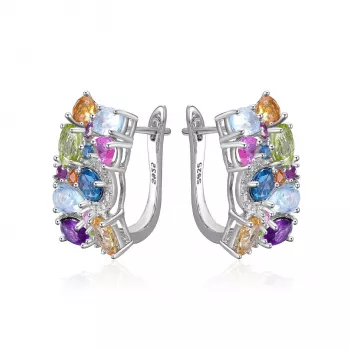
For a simple creator setup that supports filming and daily workflow, pair your routine with practical gear: a charging-friendly bedside/desk option like the modern nightstand with USB Type-C charging and sensor light can keep devices powered for batch creation, and on-camera accessories like 925 sterling silver multicolor birthstone clip earrings can help polish your “on-screen” look without complicating production.
FAQ
How many followers are needed to start making money on TikTok?
You can start earning with zero followers using affiliate links, services, UGC-style content for brands, or selling a small digital download. Some TikTok programs have eligibility thresholds that vary by region and can change over time.
What’s the fastest beginner-friendly way to earn on TikTok?
Choose one method (often affiliates or a simple digital download), post tutorial-style content consistently for 30 days, and use a single CTA. Track clicks and conversions, not just views, and double down on the topics that drive action.
Do affiliate links and sponsored posts need disclosures?
Disclosures are typically required for affiliate and sponsored content. Use clear labels like “ad” or “affiliate,” and follow both platform rules and local advertising guidelines.















Leave a comment