

Stop Feeling Overwhelmed: Calm & Focus eBook

Your Smart Guide to Stop Feeling Overwhelmed: A Digital eBook for Calm, Focus, and Clear Next Steps
Overwhelm can feel like having too many tabs open—mentally and emotionally—until even small decisions become exhausting. This digital self-help eBook is built for quick relief and lasting structure, combining simple psychology-backed habits with AI-assisted tools that help sort priorities, reduce stress, and regain focus. It’s designed for busy days: short exercises, practical checklists, and repeatable routines you can use immediately after download.
What “Overwhelmed” Looks Like (and Why It Happens)
Feeling overwhelmed isn’t a character flaw—it’s often a predictable outcome of too many demands hitting a brain that’s trying to keep you safe and functional.
- Common signs: racing thoughts, decision fatigue, procrastination, irritability, trouble focusing, and feeling behind before the day starts.
- The overload loop: too many inputs (tasks, notifications, expectations) plus unclear priorities creates constant urgency without real progress.
- Stress physiology basics: when the nervous system stays activated, attention narrows and the brain overestimates threats and effort. (For a deeper overview of how stress affects the body, see American Psychological Association.)
- The real goal: not “do more,” but reduce noise, choose one next step, and rebuild a sense of control.
How the eBook Helps: Calm First, Then Clarity
This guide is structured around a realistic sequence: stabilize your body first, then clear mental clutter, then choose what matters most—without turning your life into a complicated “system” you’ll abandon in a week.
- A practical path: downshift stress, unload the mental backlog, then build a simple plan that fits real life.
- Short exercises (2–10 minutes): designed for lunch breaks, between meetings, or right before bed.
- AI-assisted help: turn messy thoughts into organized options with plain-language guidance (no advanced tech skills required).
- Instant download: start with the first “reset” exercise the same day.
If you want a straightforward place to begin, use Your Smart Guide to Stop Feeling Overwhelmed (Instant Download).
Quick Reset Tools for the Moment Overwhelm Hits
When overwhelm spikes, “planning harder” usually backfires. The fastest wins come from lowering the body’s stress signal first, then making the next choice smaller.
- Two-minute downshift: breathe with a steady rhythm to reduce physical stress signals and regain cognitive flexibility.
- Name-and-sort method: write the top 5 worries/tasks, then label each: “can do now,” “schedule,” “delegate,” or “delete.”
- Micro-step rule: choose the smallest visible action that moves one item forward in under five minutes (open the doc, reply with one sentence, put shoes by the door).
- Environment reset: remove one distraction—sound, clutter, or notifications—to lower friction and restore focus.
Even small changes can help interrupt the stress response; Harvard Health offers a helpful explanation of why your body can “lock in” to stress and how it shifts attention and energy (Understanding the stress response).
AI-Assisted Strategies That Make Decisions Easier
When your brain feels jammed, a structured “second brain” can help you translate chaos into categories, options, and next actions. The aim isn’t outsourcing your life—it’s reducing the mental load of sorting and wording.
| When it feels like… | Try this prompt style | What to do next (2–10 minutes) |
|---|---|---|
| Everything is urgent and I can’t think | “Turn this list into 3 priorities for today and 3 for later, with one first step each.” | Pick Priority #1 and complete the first step only |
| I’m stuck choosing and afraid of the wrong decision | “List options with pros/cons, then recommend the safest next step given limited time and energy.” | Set a 10-minute timer and take the recommended next step |
| People keep adding requests and I feel trapped | “Draft a short, respectful message to decline or renegotiate this request.” | Send the message and add a single follow-up reminder if needed |
| I’m spiraling into worst-case thinking | “Rewrite this thought into a balanced statement and one question I can answer today.” | Answer the question in one sentence and act on it |
Building a Weekly System That Prevents the Pile-Up
For additional context on everyday stress and practical ways to respond, the National Institute of Mental Health has a clear overview here: 5 Things You Should Know About Stress.
What’s Inside the Digital eBook (Practical, Not Overwhelming)
Who It’s For (and When to Seek Extra Support)
How to Start Today (A Simple 15-Minute Setup)
More In-Stock Picks You May Like
- modern-nightstand-with-hidden-gun-drawer-usb-type-c-charging-led-sensor-light
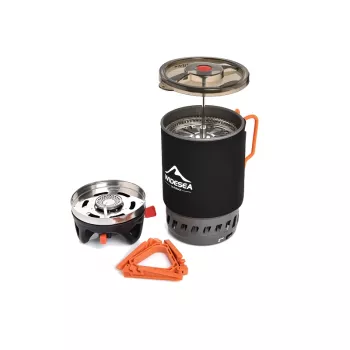
- portable-camping-cooking-system-with-heat-exchanger-and-gas-stove
FAQ
How fast can results show up when feeling overwhelmed?
Quick reset tools can create noticeable relief in minutes by lowering the body’s stress response and narrowing your focus to one next step. More lasting changes usually show up over 1–3 weeks as weekly routines and boundaries become consistent.
Do AI-assisted strategies mean sharing personal information?
No—keep details general, avoid sensitive identifiers, and review privacy settings before you paste anything into a tool. Treat the output as optional guidance and only keep what feels safe, accurate, and helpful.
Is this eBook suitable for someone with anxiety?
It can support coping skills, planning, and calmer decision-making, especially when anxiety is fueled by uncertainty and overload. It isn’t medical treatment, so severe or persistent symptoms are best addressed with a licensed professional.













Leave a comment