Y-Type Triple Hex Wrench: Faster Multi-Spline Service
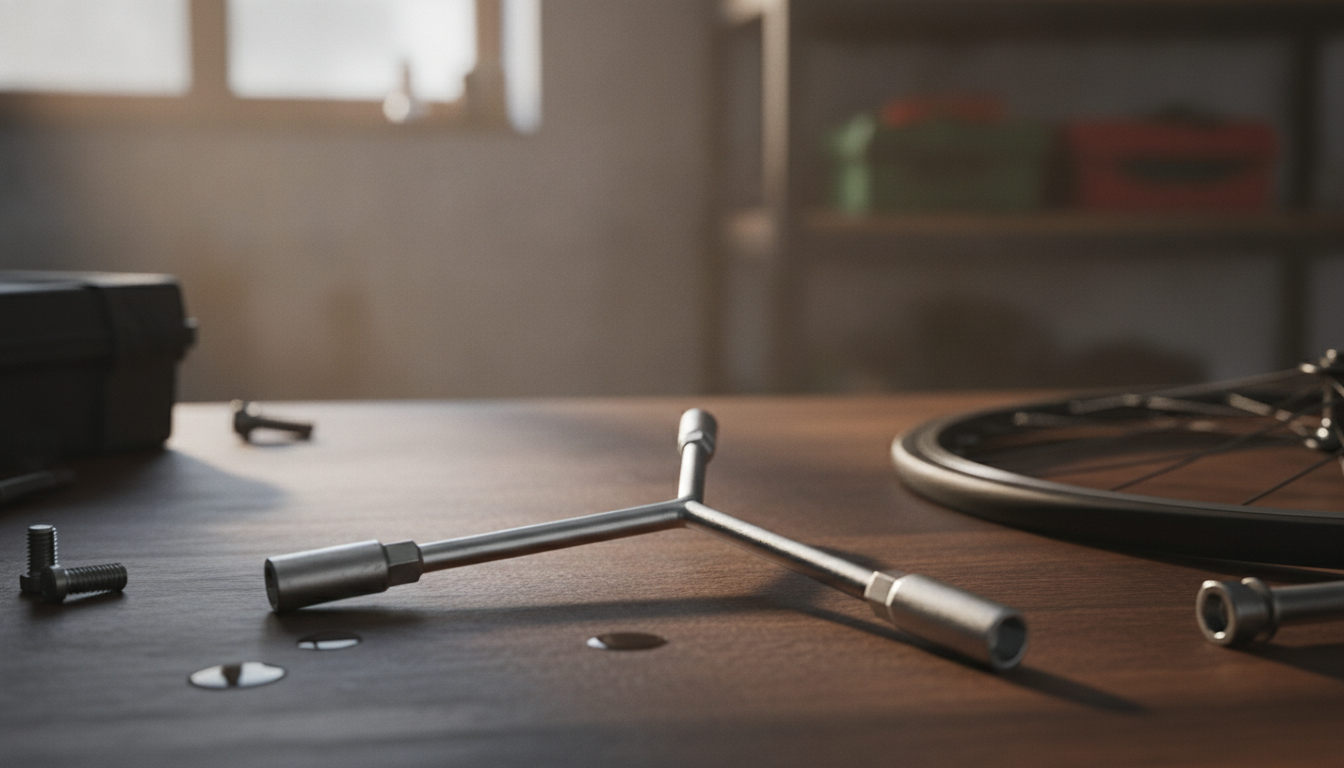
Y-Type Triple Hex Wrench
A Y-type triple hex wrench combines three triple-hex driver sizes into one compact handle. The Y shape boosts leverage, helps keep the driver aligned with the fastener, and makes it faster to switch sizes during repetitive work like brake, drivetrain, and engine-bay service—especially when a vehicle or machine uses multi-spline fasteners instead of standard hex or Torx.
What a Y-type triple hex wrench is
A triple hex drive (sometimes referred to as multi-spline or XZN-style in certain contexts) is designed with more engagement points than a standard hex profile. That added contact can improve grip on stubborn fasteners and help reduce cam-out when the tool is fully seated and aligned.
With a Y-handle, each arm ends in a different triple-hex size. Instead of swapping bits or sockets, you rotate the tool to the size you need. The center hub naturally sits in the palm, making it easier to apply controlled pressure while turning—useful when you need steady force rather than sudden jolts.
Where it’s commonly used
Automotive service
Triple-hex fasteners show up frequently on some European vehicle components and assemblies. A Y-type wrench can be especially handy when the same few sizes repeat across a job, such as certain brake, drivetrain, and under-hood fasteners.
Bikes and power equipment
Some specialty components may call for multi-spline drivers depending on the manufacturer. If the same triple-hex sizes come up often, a compact Y-handle can save time and simplify a small travel kit.
General mechanical maintenance
Any time a service manual specifies a triple-hex driver (rather than Torx or Allen/hex), using the correct profile matters. Matching the correct drive type protects both the tool and the fastener head.
Key features that matter before buying
Not all triple-hex tools fit the same. The best experience usually comes down to precision, durability, and how comfortable the handle is under load.
- Driver fit and precision: Tighter manufacturing tolerances mean less wobble and a lower chance of rounding a fastener.
- Material and hardness: Quality steel with proper heat treatment holds up better under repeated high-torque use.
- Handle ergonomics: A comfortable hub and adequate arm length improve control and reduce hand fatigue.
- Finish and corrosion resistance: Protective coatings help the tool survive garages, trunks, and humid toolboxes.
- Size coverage: Confirm the exact triple-hex sizes required for your job; service manuals often list them.
| What to verify | Why it matters | How to confirm |
|---|---|---|
| Exact triple-hex sizes included | Prevents wasted time and stripped fasteners | Check the fastener spec in the service manual or test fit gently by hand |
| Snug engagement with minimal wobble | Better torque transfer, less rounding | Insert fully and feel for play before applying force |
| Steel quality and heat treatment | Improves durability under load | Look for reputable manufacturing notes and solid, clean machining |
| Handle length and comfort | More control and leverage | Compare arm length and hub shape to typical tasks and hand size |
| Corrosion resistance | Longer tool life in humid or dirty environments | Check coating/finish and storage conditions |
How to use it without damaging fasteners
Triple-hex fasteners can be durable, but the tool must be used correctly to avoid stripping the recess. A few habits make a big difference:
- Clean the fastener recess first: Pick out grit and debris so the driver can seat fully.
- Seat the wrench straight and fully: Partial engagement is a common cause of rounded heads.
- Apply steady pressure: Avoid sudden jerks that can pop the driver out of the splines.
- Use penetrating oil when needed: Give it time to work before attempting high torque on corroded fasteners.
- Escalate safely: If a fastener is seized, improve access and alignment, or switch to a dedicated bit and breaker bar rather than forcing the Y-handle at an angle.
For general hand-tool safety expectations and maintenance, refer to OSHA’s hand and power tool general requirements (29 CFR 1910.242). For broader hand-tool design and performance guidance, see the ASME B107 hand tool standards overview.
Care, storage, and longevity
When a Y-type wrench is the right choice (and when it isn’t)
Product options available
- Y-Type Triple Hex Wrench — A compact, three-size Y-handle tool suited for maintenance tasks that call for triple-hex engagement. Keep it in a glovebox kit or tool roll for quick field adjustments.
- Full-Length Floor Mirror with Stand — Useful for checking fit and alignment in a workspace or garage (and for everyday home use) when you want a stable, full-height view.
- Artificial Boxwood Spiral Topiary Plant — A low-maintenance décor option for a shop entrance, office, or waiting area to keep the space looking polished.
FAQ
Is triple hex the same as Torx or Allen?
No. Triple hex is a different drive profile, and using Torx or Allen in a triple-hex fastener (or vice versa) can strip the fastener head. Match the drive type and size specified for the job.
How can fastener heads be prevented from stripping with a triple hex wrench?
Clean the recess, seat the driver fully and straight, and apply steady pressure. If there’s wobble or slipping, stop and reassess fit; for corroded fasteners, use penetrating oil and allow soak time before increasing torque.
When should a Y-type wrench be replaced?
Replace it when the splines show rounding or chipping, the fit becomes noticeably loose, or the tool starts slipping under normal hand pressure. A worn driver can damage fasteners quickly and make future service harder.














Leave a comment