
Smart Storage Zones to Make Cleaning Faster Every Day

Smart Storage Setup for an Easier-to-Clean Home
A home that’s simple to clean is rarely about doing more—it’s about storing things so wiping, vacuuming, and resetting rooms takes minutes instead of hours. A storage-first setup reduces surface clutter, creates reliable drop zones, standardizes containers, and places everyday items where they’re used so cleaning becomes a quick routine rather than a weekend project.
Start with the cleaning path, not the clutter
Before buying bins or reorganizing closets, walk each room with a “cleaning path” mindset: floors → surfaces → high-touch areas (handles, switches) → finishing reset (put-away). When that path feels blocked, cleaning slows down—and clutter piles up faster.
- Note what stops you from vacuuming or mopping quickly: shoes, bags, pet toys, laundry piles, and random “I’ll deal with it later” items.
- Spot the three main blockers: items on floors, crowded flat surfaces, and supplies stored far from where they’re used.
- Pilot the system in one room (often the kitchen or entryway) so you can refine it before copying it everywhere.
- Set a floors rule: anything that lives on the floor is either furniture, a large bin, or a deliberate décor item—no loose piles.
Create “zones” that match daily routines
Cleaning gets easier when your storage mirrors what you actually do each day. Instead of organizing by “where it fits,” organize by activity so items stop drifting to counters and chairs.
- Define zones by routine: cooking, school/work, laundry, cleaning, hobbies, pet care, and a general “drop zone” near the entry.
- Keep each zone’s essentials together so you don’t borrow from other rooms (and leave the leftovers behind).
- Use a two-step storage logic: quick-access for daily items and deeper storage for backstock/rarely used items.
- Add one dedicated reset spot per zone (tray, bin, or shelf) where items go during a fast tidy.
A simple example: if the living room is where charging happens, give chargers a small basket there—otherwise they’ll migrate to the coffee table, then the floor, then disappear.
Use container standards to make tidying automatic
When every shelf has a different bin shape and every drawer is a “miscellaneous” mix, it takes more effort to put things away than to set them down. Standard containers remove friction.
Container cheat sheet for faster cleaning
| Need | Best container style | Where it works best | Why it helps cleaning |
|---|---|---|---|
| Daily drop items (keys, mail, sunglasses) | Tray or shallow bin | Entryway console / shelf | Stops counter spread and makes wiping surfaces fast |
| Cleaning supplies for one area | Portable caddy | Under-sink or nearby closet | Reduces trips across the house and encourages quick touch-ups |
| Backstock (paper goods, soap refills) | Clear lidded bin | High shelf / pantry / closet | Prevents overbuying and keeps bulk from spilling into living areas |
| Cables, batteries, small tools | Small divided box | Office / utility drawer | Keeps drawers functional so items don’t migrate to tabletops |
| Kids’ frequently used items | Handled open bin | Low shelf / cubby | Easy put-away that doesn’t require perfect folding |
Room-by-room storage moves that cut cleaning time
Kitchen
Living room
- Give remotes, chargers, and controllers one designated basket.
- Limit décor to a few wipe-friendly pieces; more objects = more dusting steps.
- Use a tall mirror to visually “finish” a space without adding tabletop clutter; consider a clean-lined option like the Full-Length Floor Mirror with Stand.
Bathrooms
- Store duplicates and refills in one labeled bin so they don’t crowd the vanity.
- Keep a small cleaning caddy within arm’s reach for quick wipe-downs.
- Follow disinfecting guidance for high-touch areas when needed; the CDC cleaning and disinfecting recommendations are a helpful reference for safe routines.
Bedrooms
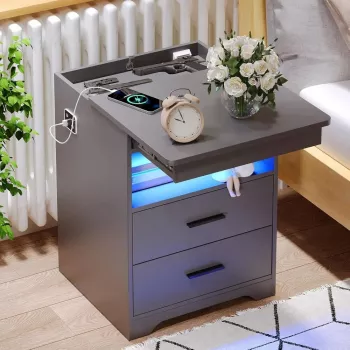
- Add a bedside catch-all tray to keep small items off the floor.
- Create an “inbox bin” for items that need to leave the room (returns, donations, repairs) so they don’t become dresser clutter.
- Keep the top of the dresser intentionally simple; a single greenery accent like an Artificial Boxwood Spiral Topiary Plant can add polish without increasing cleaning complexity.
Laundry area
Make cleaning supplies as accessible as paper towels
- Place supplies at point-of-use: bathroom spray near bathrooms, a duster near living spaces, and a floor tool near high-traffic areas.
- Keep a simple kit: all-purpose cleaner, glass cleaner (or diluted vinegar where appropriate), disinfectant for high-touch zones, microfiber cloths, and a scrub brush.
- Use strategic duplicates (one per floor or one per major zone) so you’re not carrying bottles room to room.
- For safer product selection, look for clearer ingredient and safety standards such as the EPA Safer Choice program.
A simple weekly cadence that keeps the system working
Put the plan into action with a step-by-step digital guide
If you want a ready-made sequence you can follow at your own pace, see A Guide to Organizing Your Home for Effortless Cleaning (Digital Guide).
FAQ
What’s the fastest way to make a home easier to clean?
Clear floors and clear countertops first, then add a simple drop zone in each room. Keep cleaning supplies near where they’re used, and standardize a few bin sizes with labels so putting things away becomes automatic.
How should storage be arranged to improve daily cleaning routines?
Arrange storage by activity zones and frequency: daily items at point-of-use and eye level, weekly items nearby but tucked away, and backstock higher or deeper. Add a reset tray or bin so surfaces stay wipeable.
How many storage bins are enough without overdoing it?
Start with 1–2 bins per zone plus one backstock bin per major category, then expand only if a category consistently overflows. The goal is fewer decisions, not a collection of containers.
















Leave a comment