5.1 GPM vs 120,000 BTU: Indoor Tankless Gas Guide
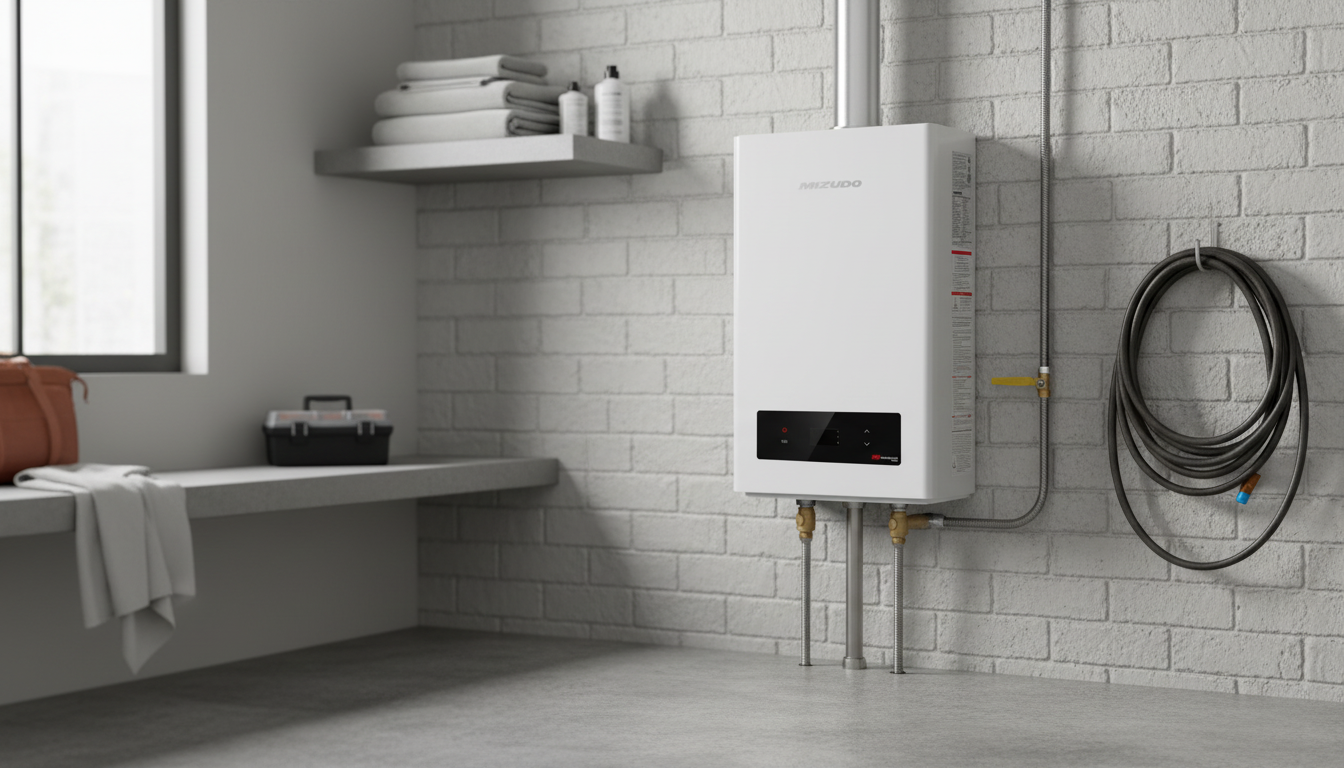
Tankless Natural Gas Water Heater for Indoor Use: 5.1 GPM and 120,000 BTU Explained
A tankless natural gas water heater built for indoor installation is all about matching flow rate and burner power to real household demand. With a 5.1 GPM rating and a 120,000 BTU burner, this style of unit aims to deliver steady hot water for common use cases like showers, sinks, and back-to-back draws—when sized and installed correctly for the home’s incoming water temperature, venting, and gas supply.
What 5.1 GPM and 120,000 BTU Mean in Daily Use
Two specs drive most real-world expectations: GPM and BTU. GPM (gallons per minute) tells you how much hot water a unit can supply at a specific temperature rise (how many degrees it needs to heat the incoming water). BTU (British Thermal Units) reflects burner capacity; more BTUs generally support either a larger temperature rise, more flow at a given rise, or better stability when demand changes.
Because incoming water temperatures vary by season and region, a “5.1 GPM” heater won’t always deliver 5.1 GPM of truly hot water at a comfortable shower setpoint. In colder climates (or during winter), the heater must work harder to raise water temperature, which reduces the maximum usable hot-water flow.
Quick sizing sense-check (illustrative ranges)
| Scenario | Typical combined flow demand | What limits performance | Practical takeaway |
|---|---|---|---|
| Single shower | 1.5–2.5 GPM | Incoming water temperature, showerhead flow rate | Usually supported with stable temperature when properly vented and supplied |
| Shower + bathroom sink | 2.0–3.5 GPM | Temperature rise during simultaneous draw | Often workable if groundwater isn’t extremely cold |
| Two showers at once | 3.0–5.0 GPM | Temperature rise + gas line capacity | May be borderline in colder regions or with restrictive gas supply |
| Shower + dishwasher/laundry | 3.0–4.5 GPM | Priority of hot water draws, set temperature | Staging usage reduces temperature swings |
The most accurate way to “translate” these numbers is to list the fixtures that commonly run at the same time, estimate their flow, and consider the biggest temperature rise you’ll face during the year. If your household frequently stacks loads (for example, showers during laundry), burner capacity and gas delivery become just as important as the published max GPM.
Indoor Installation Basics That Matter Most
Indoor tankless gas installation is less about mounting the unit and more about building a safe, code-compliant system around it. Venting, combustion air, and (sometimes) condensate planning are the big three.
- Venting: Indoor gas tankless units typically require approved vent materials and correct vent length/routing. Incorrect venting can create safety hazards and inconsistent performance.
- Combustion air: Fuel-burning appliances need adequate make-up air. In tighter homes, dedicated combustion air provisions may be required by local code.
- Condensate (if applicable): Some high-efficiency models produce acidic condensate that must be drained appropriately. Confirm whether your unit is condensing or non-condensing and plan drainage accordingly.
- Clearances and service access: Leave room to flush/descale, check inlet screens, and access service panels.
- Freeze protection: Indoor placement helps, but pipes in unconditioned areas (crawlspaces, garages, exterior walls) may still need insulation.
For background on how tankless systems operate and why installation details matter, the U.S. Department of Energy provides a helpful overview here: Tankless or Demand-Type Water Heaters.
Gas Line, Water Lines, and Electrical: Avoiding Common Bottlenecks
Comfort and Efficiency Features to Look For
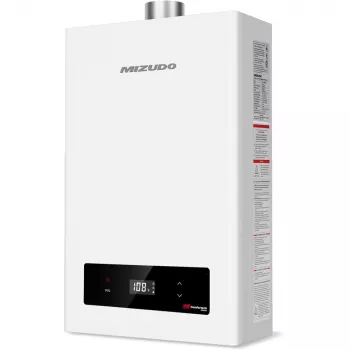
Product Snapshot: Tankless Natural Gas Water Heater, 5.1 GPM, 120,000 BTU (Indoor Use)
If you’re shopping specifically for a compact indoor unit in this capacity range, the Tankless Natural Gas Water Heater, 5.1 GPM, 120,000 BTU, Indoor Use is designed to deliver on-demand hot water without storing a full tank of heated water. As with any tankless system, the best results come from correct venting, adequate gas supply, and expectations that account for your incoming water temperature.
At-a-glance details
| Attribute | Value |
|---|---|
| Type | Tankless natural gas water heater |
| Installation | Indoor use |
| Max flow rating | 5.1 GPM (varies with temperature rise) |
| Burner capacity | 120,000 BTU |
| Availability | In stock |
| Price | $702.49 |
Maintenance, Longevity, and Safety Checks
- Flush/descale: Frequency depends on hardness and usage; many households schedule annual service in hard-water areas.
- Clean inlet screens/filters: Keeping filters clear helps maintain flow and reduces strain on internal components.
- Inspect venting and termination: Check connections and termination condition during periodic servicing.
- Carbon monoxide safety: Install CO alarms and follow local code requirements for fuel-burning appliances. The CPSC provides a practical CO safety Q&A here: Carbon Monoxide Questions and Answers.
- Troubleshooting: If hot water changes suddenly, check for clogged filters, scale, gas supply constraints, or error codes before raising the temperature setpoint.
More In-Stock Home Picks
- Full-Length Floor Mirror with Stand
- Artificial Boxwood Spiral Topiary Plant
- Twin Over Twin Bunk Bed with Slide and Ladder
FAQ
Will 5.1 GPM run two showers at the same time?
It can, depending on the actual showerhead flow rates and how much temperature rise the heater must provide. In colder regions or winter months, the same unit may deliver less hot-water flow at a comfortable setpoint, and an undersupplied gas line can further reduce performance.
Is 120,000 BTU enough for indoor tankless hot water in winter?
It may be enough for many homes, but winter performance depends on how cold your incoming water is and what outlet temperature you want. Colder groundwater requires more energy per gallon, which reduces the maximum hot-water flow the unit can sustain.
What maintenance does an indoor natural gas tankless water heater need?
Plan on periodic descaling/flushing (especially with hard water), cleaning inlet screens, and checking venting and combustion air provisions during routine service. For safety, keep working carbon monoxide alarms in the home and schedule professional inspection if performance changes or error codes appear.















Leave a comment