Heated Shiatsu Neck & Back Massager: Infrared + Vibration
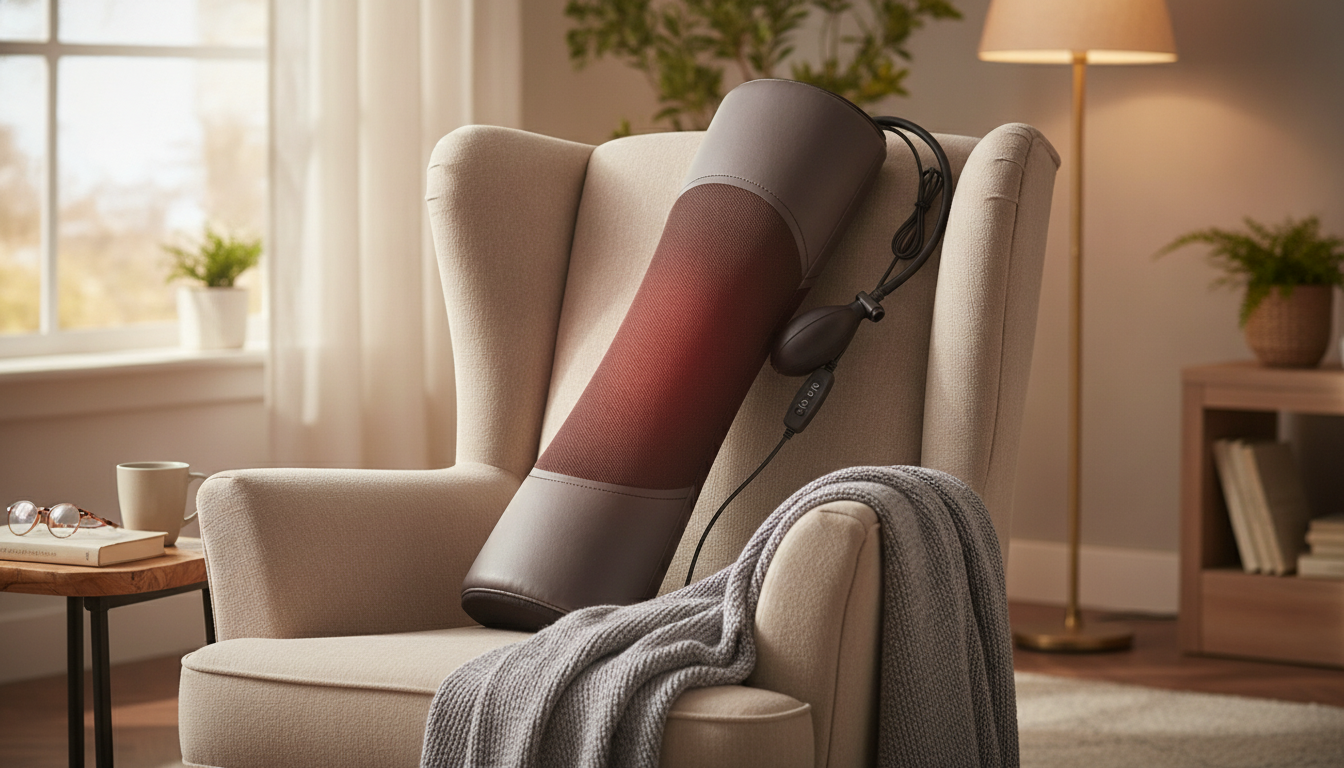
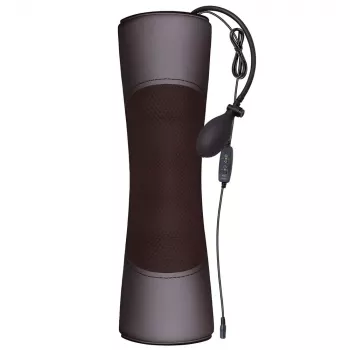
Electric Heated Shiatsu Neck & Back Massager with Infrared & Vibration
Tight shoulders, a stiff neck, and mid-back knots can build up fast from desk work, commuting, workouts, or stress. An electric shiatsu massager is designed to recreate the feel of rotating kneading nodes, while added heat and optional vibration can make sessions feel warmer, deeper, and more relaxing. This guide covers what to expect from an electric heated shiatsu neck and back massager with infrared and vibration, how to use it comfortably, and what to look for before purchasing.
What it does and why it feels different from a simple vibration massager
Not all massage tools feel the same. A basic vibration massager mainly creates a surface-level buzzing sensation, which can feel pleasant but may not “dig in” to stubborn tightness. A shiatsu-style massager uses rotating kneading nodes that roll and press in circular patterns to mimic thumb pressure and kneading hands.
Heat changes the experience, too. Gentle warmth can make an area feel more pliable and soothing during a session, especially when paired with kneading. Many devices describe their heating element as “infrared,” a common label for deeper-feeling warmth meant to provide a comforting, cozy layer over the massage. Vibration, when included, adds a secondary sensation that some people enjoy on the upper back and shoulders without necessarily increasing pressure.
Wrap-style designs are popular because they’re easy to anchor over the shoulders and reposition for the upper back, lower back, waist, thighs, or calves. If you’re shopping for a wrap-style option, the Electric Heated Shiatsu Neck & Back Massager with Infrared & Vibration is built around that “drape and adjust” approach, making it simple to aim the kneading exactly where you want it.
Quick feature checklist to match the right feel
| Feature | What it changes | Who usually likes it |
|---|---|---|
| Kneading nodes (shiatsu) | Deeper, targeted pressure and rolling sensation | People with knots in shoulders/upper back |
| Heat / infrared heat | Warmth layered over kneading | Anyone who relaxes with heat; evening wind-down |
| Vibration | Adds a lighter, buzzing layer | People who prefer extra stimulation without more pressure |
| Intensity options | Adjusts how strong the kneading feels | Sensitive users; first-time users |
| Auto shutoff / timer | Ends sessions automatically | People who use it while resting or watching TV |
Key benefits for everyday use
A heated shiatsu massager is often used for day-to-day comfort rather than “fixing” any specific condition. It can help ease the feeling of tension that comes from prolonged sitting, screen time, and forward-head posture—especially when tightness tends to collect at the base of the neck, across the trapezius, and between the shoulder blades.
It also fits well into post-activity routines. After a workout, a long drive, or a physically demanding shift, a short kneading-and-heat session can feel like a reset that’s easy to repeat at home. Because it’s quick and consistent, it can be simpler than scheduling appointments every time your shoulders start to feel “locked up.”
Heat plus kneading is a common pre-bed ritual. For general heat safety and best practices, Cleveland Clinic’s guidance on heating pad benefits and precautions is a helpful reference: https://health.clevelandclinic.org/heating-pad-benefits. For a broader, evidence-based overview of massage therapy, the NCCIH resource is also useful: https://www.nccih.nih.gov/health/massage-therapy-what-you-need-to-know.
How to use a heated shiatsu neck and back massager comfortably
Comfort comes down to two things: starting gently and placing the nodes in the right spots. For first-time use, begin with a short session (about 5–10 minutes) on a lower setting to gauge sensitivity—especially around the neck and upper shoulders, where people can be more tender.
For neck/shoulder use, aim the kneading nodes at the upper trapezius (the tops of the shoulders) rather than pressing directly into the front or side of the neck. That positioning tends to feel more relaxing and less “intense.” If your unit includes heat, turn it on for comfort, but switch it off if warmth feels too strong or if your skin becomes red or irritated.
Where it works best: common placement ideas
Safety notes and who should check with a clinician first
People who are pregnant, have a pacemaker or implanted medical device, significant neuropathy (reduced sensation), or clotting issues should check with a clinician before use. Sessions should stay moderate—often around 10–15 minutes per area—to reduce the chance of soreness from overdoing it. If you’re unsure whether new or persistent back pain needs medical evaluation, Mayo Clinic’s guidance on when to seek help can be a useful starting point: https://www.mayoclinic.org/symptoms/back-pain/basics/when-to-see-doctor/sym-20050806.
Care, cleaning, and storage
A practical pick for home comfort
To round out a relaxing corner at home, pair your comfort routine with a tidy, calming setup—like adding a Full-Length Floor Mirror with Stand to open up the space and a touch of greenery such as an Artificial Boxwood Spiral Topiary Plant for an easy, no-maintenance refresh.
FAQ
How long should a heated shiatsu massage session be?
Start with 5–10 minutes, then work up as tolerated. Many people stay around 10–15 minutes per area, and it’s best to stop if you feel soreness, skin irritation, or increasing tenderness.
Is infrared heat safe for daily use?
Infrared heat in massagers is generally used as a comfort-warmth feature, and many people use it routinely at moderate settings. Follow the device instructions and use extra caution if you have reduced sensation or medical considerations; when in doubt, check with a clinician.
Can it be used on the lower back or legs?
Yes—most wrap-style shiatsu massagers can be repositioned for the lumbar area, thighs, and calves. Avoid prolonged pressure directly over bony areas (especially along the spine) and use lighter intensity on sensitive spots.













Leave a comment