
Foldable Non-Woven Storage Bag for Quilts & Clothes
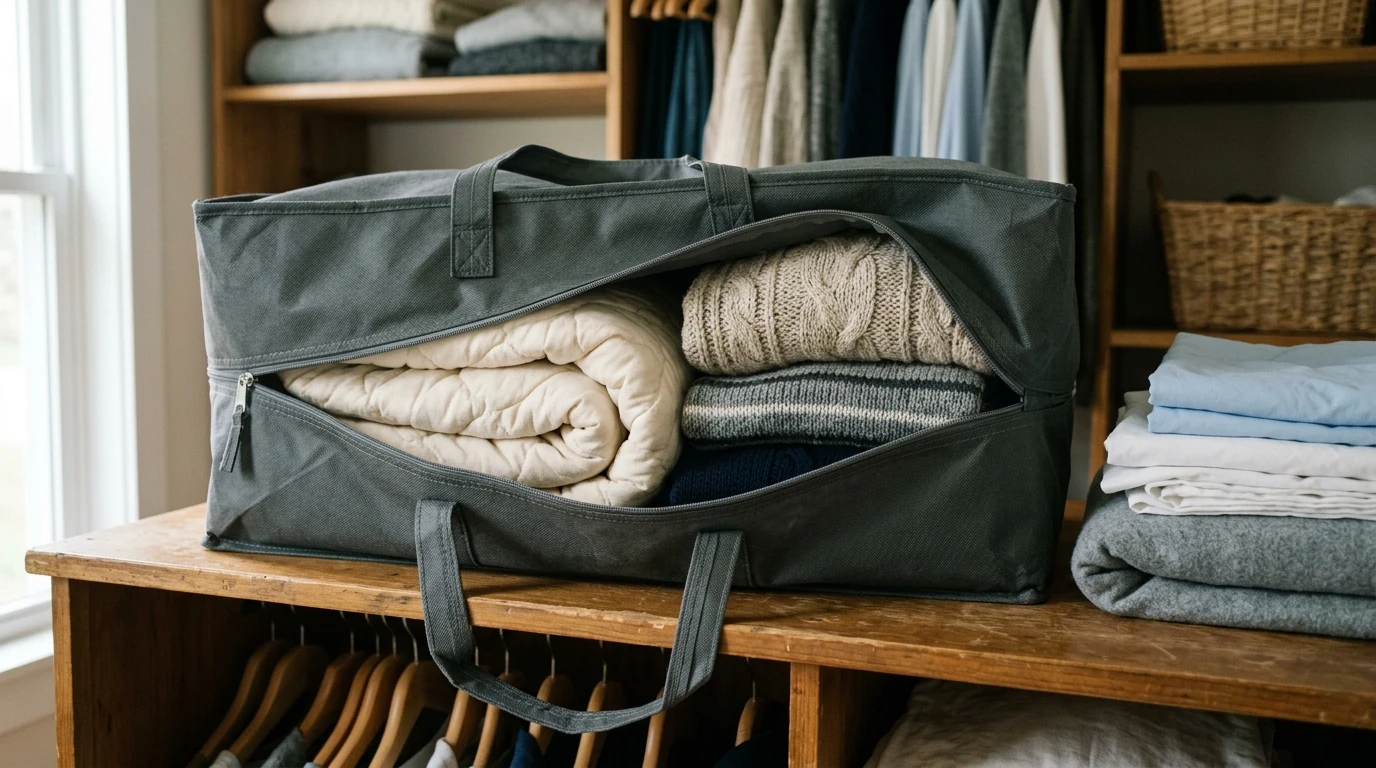
Large Capacity Foldable Non-Woven Storage Bag for Clothes & Quilts
Bulky bedding and off-season clothing can quietly take over closets, shelves, and even that “temporary” chair in the corner. A large capacity foldable non-woven storage bag helps streamline the mess by keeping big textiles contained, shielding them from everyday dust, and making it simpler to move items from shelf to under-bed to storage room. Unlike rigid plastic bins, a foldable bag also disappears when it’s not needed—freeing up space instead of demanding it.
What This Storage Bag Helps With
- Keeps quilts, blankets, sweaters, and linens grouped by season or room
- Reduces dust exposure and helps maintain a cleaner storage area
- Makes moving items between closet, under-bed, and shelves easier with a single grab-and-go bag
- Creates a more uniform look on shelves compared with loose piles
Key Features to Look For in a Large Fabric Storage Bag
Not all storage bags handle heavy bedding equally. A few practical design details make the difference between a neat storage system and a zipper that’s always fighting for its life.
- Large main compartment that fits folded quilts or multiple clothing stacks
- Foldable construction for compact storage when the bag is empty
- Non-woven fabric that’s lightweight yet structured enough to hold shape when packed
- Sturdy zipper closure to reduce dust entry and accidental spills
- Reinforced handles for lifting heavier loads like comforters
- Smooth interior and seams that won’t easily snag delicate knits
Typical Uses Around the Home
Bedroom storage (everyday calm)
- Off-season duvets, extra pillows, spare sheets, and guest bedding
- Extra throws that clutter the foot of the bed or chair arms
Closet organization (easy seasonal swaps)
- Sweaters, hoodies, scarves, and sorted clothing categories
- “Maybe next winter” pieces that still deserve protection from dust
Kids’ rooms, dorms, and apartments (fast transitions)
- Outgrown clothes and spare blankets (only if fully clean and dry)
- Quick pack-up for moving day or semester changes
- Laundry workflow: a temporary staging area for clean, folded items before putting away
Care and Packing Tips for Clothes and Quilts
- Store only fully clean and completely dry textiles to help prevent odors and mildew.
- Fold bulky quilts into flatter rectangles to distribute weight and reduce stress on the zipper path.
- Avoid overstuffing; leave a small margin so the zipper glides without strain.
- Add a breathable sachet (cedar or lavender) for freshness; avoid direct contact with delicate fabrics.
- Label the bag (tag or sticker) for quick identification on shelves—especially helpful for guest bedding or kids’ hand-me-downs.
- Wipe the exterior with a lightly damp cloth; allow it to air-dry before refolding or refilling.
Moisture control matters for long-term storage. If you’re dealing with a humid environment or a basement closet, review basic mold prevention guidance from the EPA and the CDC and apply the same principles to stored textiles: keep items dry, keep air circulating, and address dampness quickly.
Size Planning Guide
“Large capacity” is only useful when it matches what you actually store and where you plan to store it. Before buying multiples, measure the shelf height or under-bed clearance and think in terms of stackable rectangles—not overfilled blobs.
- Match capacity to what gets stored most often: thick comforters need more room than folded T-shirts.
- Plan for where the bag will live: closet shelf height, under-bed clearance, or top-of-wardrobe storage.
- If stacking, choose a bag shape that sits flat and stable rather than rounded when filled.
- For heavier bedding, prioritize handle strength and a zipper path that won’t snag under load.
| Storage goal | What to pack | Practical packing note |
|---|---|---|
| Seasonal bedding swap | 1–2 quilts or a comforter + 1 blanket | Fold into even layers; don’t force the zipper closed |
| Wardrobe rotation | 8–15 sweaters/hoodies (depending on thickness) | Stack by fabric weight; keep heavier items at the bottom |
| Guest room refresh | 1 spare sheet set + pillowcases + light throw | Add a label for quick changeovers |
| Kids’ hand-me-downs | Sorted outfits by size range | Pack by size and season to avoid re-sorting later |
Why Non-Woven Fabric Works Well for Storage
Product Spotlight: Large Capacity Foldable Non-Woven Storage Bag for Clothes & Quilts
If the goal is quick, low-fuss organization for bulky textiles, the Large Capacity Foldable Non-Woven Storage Bag for Clothes & Quilts is built for the job. It’s designed to hold quilts, blankets, and seasonal clothing in one contained, carryable place—then fold down when it’s empty. For closets that need more zones (winter knits here, guest bedding there), it’s an easy way to add structure without committing to hard plastic bins.
Pair It with Simple Bedroom Storage Upgrades
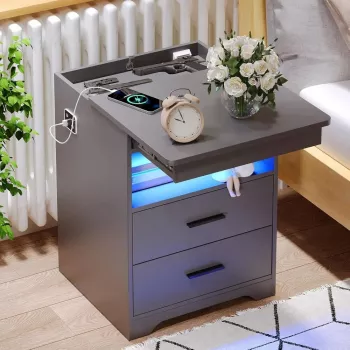
Once bedding and off-season clothing are neatly contained, daily clutter becomes easier to manage with furniture that adds hidden organization. A nightstand with enclosed storage can keep chargers, books, and small items from spilling onto the floor. For a multi-function bedside setup, consider the Modern nightstand with hidden drawer and USB-C charging to help maintain a cleaner look around the bed while keeping essentials within reach.
FAQ
Can quilts and comforters be stored long-term in a non-woven storage bag?
Yes, as long as the bedding is clean and completely dry before packing. Avoid over-compressing, store it in a cool, dry place, and air out quilts occasionally to keep them fresh.
How many clothes fit in a large foldable storage bag?
It depends on fabric thickness and how tightly items are folded. Bulky sweaters take up far more space than tees, so pack in flat layers and stop when the zipper starts to feel strained.
How should the bag be cleaned if it gets dusty?
Wipe the exterior with a soft damp cloth and a small amount of mild soap if needed. Let it air-dry fully before refolding or refilling so moisture doesn’t get trapped.















Leave a comment