Enclosed Large-Capacity Cat Litter Box Deodorant Guide
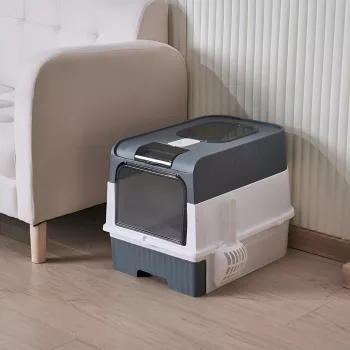
Large Capacity Fully Enclosed Cat Litter Box Deodorant: Cleaner Spaces, Happier Cats
A fully enclosed, large-capacity litter box can make daily life noticeably easier: less tracking across the floor, fewer odors drifting into shared rooms, and a more private setup many cats prefer. It’s especially helpful in apartments, multi-cat homes, and any space where the litter box has to live closer to where people actually spend time. Below is a practical guide to what to look for, how deodorizing features really work, and how to set things up so your cat uses it confidently. For more guidance, see The Association of Shelter Veterinarians’ Guidelines for ….
What a fully enclosed, large-capacity litter box changes at home
A covered box with generous interior space does more than hide the mess. The enclosure acts like a boundary that keeps kicked litter and splash better contained, which can cut down on the constant sweep-and-vacuum cycle around the box. Many cats also appreciate the privacy of a covered area, particularly in busy households or when the box sits in a more exposed location like a hallway. For further reading, see Control of felinine-derived malodor in cat litter – PMC – NIH.
Large capacity matters for comfort and cleanliness. Bigger interiors and higher walls help larger cats turn around without brushing the sides, and they can reduce “high aim” accidents that end up on walls or outside the box. A fully enclosed design also looks more discreet—helpful when the litter box needs to blend into a bathroom, living room corner, or laundry area.
Deodorizing basics: what actually helps (and what doesn’t)
Odor control is mostly about removing waste quickly and keeping the box dry and clean. A tight-fitting enclosure can slow odor diffusion, but it still needs ventilation and consistent scooping to prevent humidity from building up. Deodorizing features (like carbon filters) can help with airborne smells, yet they work best as a support system—not a replacement for daily maintenance.
Also consider your cat’s preferences. Strong fragrances and heavily scented additives can backfire, especially for scent-sensitive cats, and may lead to avoidance. A better strategy is pairing a good clumping litter with proper depth so urine clumps form tightly and waste stays covered.
| Approach | Helps with | Best practice | Watch-outs |
|---|---|---|---|
| Enclosed housing | Slows odor spread, reduces visual mess | Keep entry area clean; wipe walls and seams weekly | Too-stuffy designs can trap humidity if not maintained |
| Carbon/odor filter | Airborne smells | Replace on schedule; keep vent paths clear | Not a substitute for scooping |
| Clumping litter | Urine odor at the source | Maintain 2–4 in (5–10 cm) depth; top off regularly | Some cats dislike certain textures |
| Enzyme cleaner (outside the box) | Residual urine smell on floors/walls | Use on accidents, then rinse and dry | Avoid ammonia-based cleaners |
For deeper behavior and cleanliness context, reputable guidance from the Cornell Feline Health Center, the ASPCA, and the AVMA can be useful when troubleshooting litter box routines.
Sizing and capacity: choosing comfort over crowding
Interior dimensions matter more than the outside footprint. A cat should be able to step in, turn around, and squat naturally without pressing into the walls. When space is tight, some covered boxes look big on the outside but feel cramped inside; that can cause awkward posture and increase accidents near the edges.
Large capacity is especially valuable for bigger cats, long-haired cats (who may track more), and homes where more than one cat uses the same box. That said, capacity doesn’t replace proper box count in multi-cat households—many cats still do best when there are multiple litter locations available. If your cat is senior or has mobility limits, prioritize an entry that’s manageable (not too tall or steep) so getting in and out stays easy.
Everyday upkeep: a simple routine that prevents odor buildup
The most effective “deodorant” is consistency. Scoop at least once daily; twice daily is often ideal for multi-cat use or smaller living spaces. After scooping, stir and level the litter so it stays deep enough to cover waste and clumps form cleanly.
Placement and setup tips that encourage consistent use
Who benefits most from a fully enclosed, deodorizing design
Recommended in-stock picks for a cleaner, more discreet setup
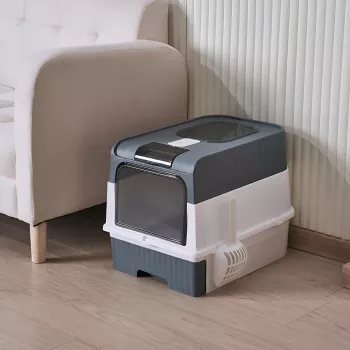
- Large Capacity Fully Enclosed Cat Litter Box Deodorant (127.01 USD) — built to provide more internal space while helping reduce scatter and support odor-control routines.
- Artificial Boxwood Spiral Topiary Plant (89.17 USD) — a simple way to visually soften a litter-box corner in a living space without adding fragrance.
Large Capacity Fully Enclosed Cat Litter Box Deodorant: at-a-glance details
| Product | Price | Availability | Link |
|---|---|---|---|
| Large Capacity Fully Enclosed Cat Litter Box Deodorant | 127.01 USD | In stock | View product |
FAQ
How often should a fully enclosed litter box be cleaned to keep odors down?
Scoop at least once daily (often 1–2 times per day in multi-cat homes), wipe the interior and entry weekly, and do a full litter replacement as needed based on litter type and use. If the box includes filters or deodorizing inserts, replace them on a set schedule so odors don’t build up.
Will a covered litter box make odor worse by trapping smells?
It can if scooping is infrequent or if moisture and residue build up inside the enclosure. With regular scooping, proper litter depth, and clear ventilation paths (plus filter maintenance if included), a covered box typically reduces how much odor spreads into the room.
How do you get a cat to use a new enclosed litter box?
Transition gradually: start with the cover off or door removed (if applicable), use the same litter your cat already prefers, and keep the box in a familiar location. Avoid strong fragrances, make sure the entry is easy to step through, and let your cat explore at their own pace.















Leave a comment