
Cordless Pool Cleaner Guide for Inground Pools
Why cordless makes pool cleaning simpler
A clean inground pool shouldn’t require a full equipment setup every time you notice grit on the floor. With a cordless robotic pool cleaner, you skip the cord routing, avoid tangles, and keep the routine simple: place it in the water, start a cycle, then lift it out and empty the filter.
Because it’s faster to deploy, you’re more likely to run it regularly—and that consistency is what keeps “a little debris” from turning into a bigger cleanup later. Cordless models are also a practical fit if you don’t want a dedicated hose-and-vacuum setup stored near the pool. For day-to-day upkeep, pairing quick surface skimming with routine robot cycles covers both what floats and what sinks.
| Option | Daily effort | What it handles well | Trade-offs |
|---|---|---|---|
| Cordless robotic pool cleaner | Low (start cycle, empty filter) | Floor and general debris pickup; routine cleaning without hoses | Battery runtime limits; filter needs emptying after debris-heavy days |
| Manual vacuum + hose | High | Targeted cleanup when time allows | Setup time; hose management; easy to postpone and fall behind |
| Pressure/return-side cleaner | Medium | Ongoing circulation-based debris movement | Requires plumbing/pressure conditions; not as plug-and-play |
| Skimmer-only routine | Medium | Floating leaves and insects | Doesn’t address settled debris; floor still needs attention |
What this cleaner helps with in real pool conditions
Most pool messes don’t show up as one dramatic event—they build up gradually, then suddenly the water looks “off” or the floor feels sandy underfoot. A cordless robot is best used as a steady maintenance tool that keeps the pool looking ready more days of the week.
- After windy days: It picks up grit, leaf fragments, and dirt that settle after you’ve already skimmed the surface.
- Before guests arrive: You can refresh the pool floor without dragging out multiple tools or assembling a vacuum line.
- Between professional services: Routine cycles reduce the “sudden mess” effect and help the pool stay presentable.
- During heavy use: It helps keep up with tracked-in dirt and general debris load that accumulates when the pool gets daily traffic.
- Seasonal transitions: It supports your normal maintenance rhythm when pollen, blossoms, and early leaves drop more frequently.
For overall pool care basics—especially if you’re hosting often—authoritative guidance like the CDC’s Healthy Swimming resources and education from the Pool & Hot Tub Alliance (PHTA) can help you keep the water balanced while your cleaner handles the physical debris.
A simple routine for better results (and less fuss)
To get the best performance out of a cordless robot, focus on a short, repeatable routine. The goal isn’t to “win” in one giant cleaning session—it’s to keep debris from piling up in the first place.
- Prep fast: Skim larger leaves first so the robot can focus on what’s settled instead of filling immediately.
- Match the schedule to your yard: Run more cycles during windy weeks or active landscaping; back off when conditions are calm.
- Empty and rinse after debris-heavy cycles: Fine debris loads filters faster than most pool owners expect.
- Quick rinse after each use: A fresh-water rinse helps keep the unit clean, especially with higher mineral content pools.
- Store in shade when possible: Keeping equipment out of direct sun supports long-term durability.
| Pool environment | Recommended cadence | Notes |
|---|---|---|
| Surrounded by trees | 3–5 cycles/week (in peak leaf season) | Skim first; expect more frequent filter emptying |
| Open yard, occasional wind | 2–3 cycles/week | Increase after storms or landscaping work |
| Minimal debris area | 1–2 cycles/week | Focus on consistency to prevent buildup |
Choosing a cordless robotic cleaner for an inground pool: the essentials
When you’re deciding on a cordless robotic pool cleaner, the “right” choice is the one you’ll actually use often. Our team recommends thinking through a few practical points before you buy.
Quick checklist before buying
Featured pick: Cordless Robotic Pool Cleaner for Inground Pools
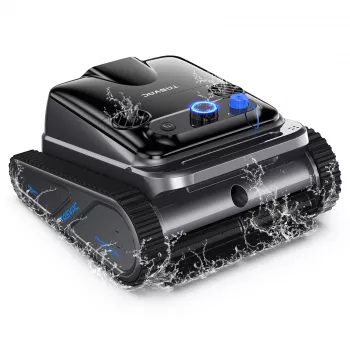
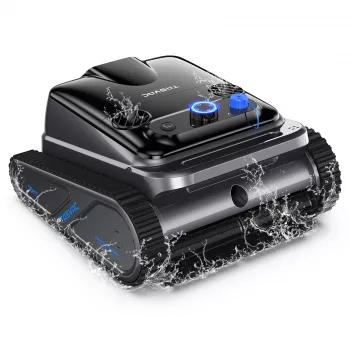
If your goal is hands-off floor maintenance without cords and hose management, our Cordless Robotic Pool Cleaner for Inground Pools is a straightforward fit. It’s built around a cordless approach that keeps setup clean and simple, making it easier to keep up with maintenance runs during the busy swim season.
| Item | Details |
|---|---|
| Product | Cordless Robotic Pool Cleaner for Inground Pools |
| Price | $470.01 |
| Availability | In stock |
| Product page | View details |
Getting the most out of your cleaner on day one
More in-stock finds from our store
- Portable Camping Cooking System with Heat Exchanger and Gas Stove
- Modern Nightstand with Hidden Gun Drawer, USB Type-C Charging, and LED Sensor Light
- 925 Sterling Silver Multicolor Birthstone Clip Earrings
FAQ
Will a cordless robotic pool cleaner work for most inground pool shapes?
Yes—cordless robots generally work well for common inground pool shapes for routine floor cleaning. If your pool has unusual features like sharp transitions, ledges, or complex steps, match the cleaner to your pool size and depth and keep a simple routine (skim first, then run consistent cycles).
How often should the filter basket be emptied?
It depends on your debris load: during leaf-heavy weeks, plan to empty and rinse after each cycle, while lighter conditions may allow longer between cleanouts. Any time you notice reduced pickup or movement—or after stormy days—emptying the basket is the fastest way to restore performance.
What’s the easiest way to keep the cleaner performing well over time?
Keep the routine repeatable: rinse the unit after use, keep the filter clean, store it out of direct sun, and remove large leaves first so the robot can focus on settled debris. Consistent maintenance runs also reduce strain caused by trying to handle too much debris in one cycle.














Leave a comment