Air Compression Leg Massager: Foot, Calf, Thigh & Knee Relief
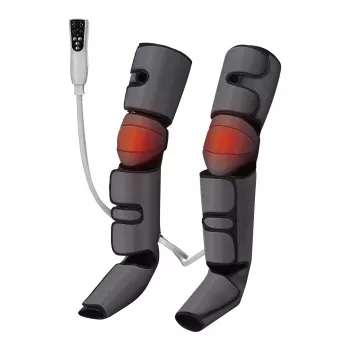
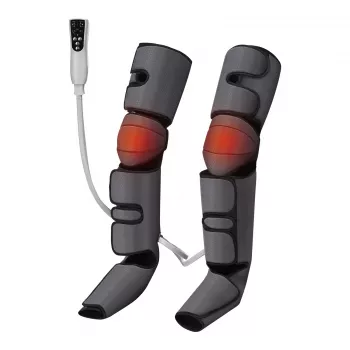
Air Compression Leg Massager for Foot, Calf, Thigh & Knee Comfort
Achy legs can come from long hours sitting, standing, training, or simply carrying daily stress in the lower body. An air compression leg massager uses sequential pressure around the foot, calf, thigh, and knee area to encourage circulation, ease tightness, and support recovery—without requiring special skills or a clinic visit. When used consistently and comfortably, it can become an easy “reset button” for legs that feel heavy, sore, or overworked.
What Air Compression Does for Tired, Sore Legs
Air compression sleeves use inflatable chambers that fill and release in a rhythmic pattern. The sensation is similar to a gentle squeeze-and-release that moves along the leg.
- Uses inflatable chambers to apply rhythmic pressure that mimics a gentle squeeze-and-release pattern.
- Helps reduce the heavy, restless feeling that can build up after long days or workouts.
- Supports circulation and relaxation in the lower body, especially when paired with hydration and light movement.
- Targets multiple zones—foot, calf, thigh, and around the knee—so relief isn’t limited to one spot.
If swelling is part of the picture, it’s also worth learning what’s normal and what isn’t. For a helpful overview of edema (swelling), see the Mayo Clinic’s swelling guide.
Who Tends to Benefit Most
- People who sit for long periods (desk work, travel) and want a simple routine to refresh the legs.
- Those who stand all day (retail, healthcare, service work) and feel swelling or soreness by evening.
- Active users who want recovery support after walking, running, cycling, or strength training.
- Anyone dealing with occasional knee-area discomfort caused by tight surrounding muscles and overall leg fatigue.
- Older adults looking for a low-effort way to keep legs feeling lighter (with medical guidance if needed).
Compression isn’t appropriate for every situation. If there’s a history of blood clots or symptoms that may suggest a clot (such as sudden swelling, warmth, and pain in one leg), get medical advice promptly—see the Cleveland Clinic’s DVT resource for more context.
Key Features to Look For (and Why They Matter)
- Coverage: full lower-body coverage can feel more balanced than a single-zone device.
- Intensity levels: multiple pressure settings make it easier to dial in comfort without overdoing it.
- Compression modes: sequential patterns can feel more natural for circulation than uniform pressure.
- Fit and sizing: adjustable wraps help accommodate different calf and thigh sizes while keeping chambers aligned.
- Timer and auto shutoff: supports consistent sessions and prevents using it too long by accident.
- Noise and portability: quieter pumps and lighter builds are easier to use while reading, working, or traveling.
Quick Match: Common Goals and Helpful Settings
| Goal | Suggested intensity | Typical session | Notes |
|---|---|---|---|
| End-of-day leg heaviness | Low to medium | 15–20 minutes | Elevate legs slightly for added comfort |
| Post-workout recovery | Medium | 20–30 minutes | Combine with gentle stretching after the session |
| Foot and calf tightness | Low to medium | 15–25 minutes | Focus on a mode that emphasizes lower chambers |
| General relaxation | Low | 10–20 minutes | Stop if tingling or numbness appears |
How to Use It for Foot, Calf, Thigh, and Knee-Area Relief
- Set up seated or lying down with legs supported; avoid standing while using compression.
- Wrap each sleeve so chambers sit smoothly against the leg—snug, not constricting.
- Start at the lowest intensity for the first few sessions; increase only if it remains comfortable.
- Use short sessions at first (10–15 minutes) and build up gradually based on how legs respond.
- For knee-area comfort, ensure the sleeve isn’t bunching behind the knee; reposition for even pressure.
- After the session, stand slowly, take a short walk, and drink water to support circulation.
A simple tip for better results: keep the leg in a neutral, supported position so pressure distributes evenly. If you tend to twist your hips or cross ankles while resting, a quick posture check can help. A full-length mirror can make it easier to spot uneven stance habits that feed calf and knee-area tension—see the Full-Length Floor Mirror with Stand.
Comfort and Safety Notes
If varicose veins are a concern, review guidance from a trusted source such as the NHS varicose veins overview and ask a clinician what’s appropriate for your specific situation.
Product Spotlight: Air Compression Leg Massager
If you want one device that addresses multiple lower-body zones, the Air Compression Leg Massager for Foot, Calf, Thigh & Knee Pain Relief is designed to provide air compression across the foot, calf, thigh, and knee area for all-in-one comfort.
To make your sessions feel more like a calming ritual, consider setting up a relaxing corner—soft lighting, a comfortable chair, and a touch of greenery. A low-maintenance decor piece like the Artificial Boxwood Spiral Topiary Plant can help create a soothing space you’ll actually use consistently.
Simple Routine Ideas
FAQ
How long should a compression massage session last?
Common sessions range from 10–30 minutes depending on comfort and intensity. Start with shorter sessions and increase gradually, stopping right away if you notice numbness, tingling, or pain.
Can it be used if knee pain is the main issue?
It may help when discomfort is linked to surrounding muscle tightness or overall leg fatigue rather than an acute knee injury. Make sure the sleeve isn’t bunched behind the knee, and consult a clinician for persistent, sharp, or worsening knee pain.
How often can it be used?
Many people use compression daily or after activity, but the right frequency depends on your sensitivity, the intensity setting, and any medical considerations. When in doubt, keep sessions comfortable and consistent rather than long or overly intense.













Leave a comment