

79cc Backpack Gas Leaf Blower: 930 CFM, 3L Tank
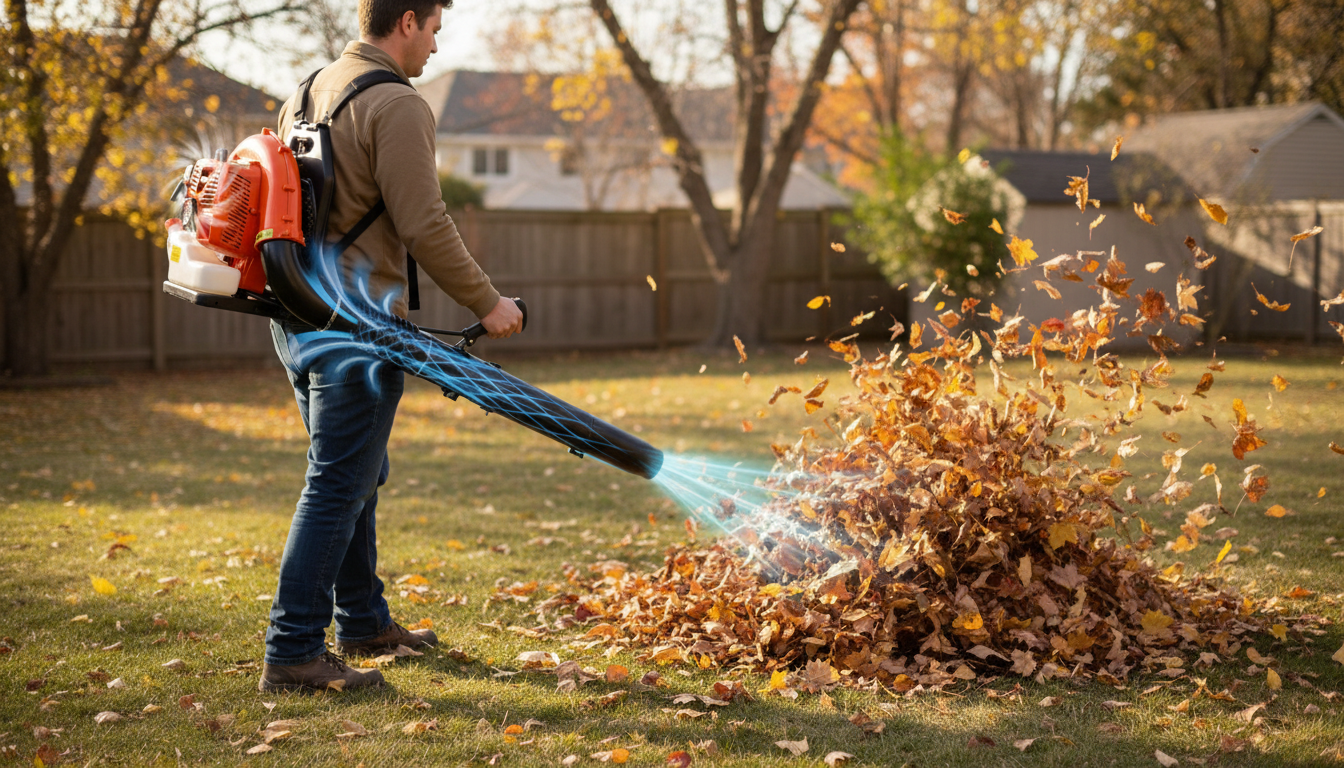
Backpack Gas Leaf Blower 79CC 2-Cycle with 3L Tank & 930CFM Air Volume
A high-output backpack blower can turn long cleanup days into quick passes across lawns, driveways, and leaf-heavy corners. This 79cc 2-cycle model pairs a large 3L fuel tank with a 930 CFM airflow rating for fast clearing of dry leaves, light debris, and post-mow clippings—while the backpack design spreads weight across the shoulders and hips for longer sessions.
What This Blower Is Built For
When the yard is bigger than a quick rake-and-bag routine, higher air volume and a wearable frame help you keep momentum from start to finish.
- Large properties: Move big volumes of leaves across open lawns and long driveways without frequent stops.
- Seasonal cleanup: Tackle fall leaf drops, spring thatch, and storm leftovers where raking would be slow.
- Edge and corner clearing: Direct airflow along fences, landscaping borders, and under shrubs using the nozzle angle and stance.
- Job-site tidying: Quick removal of dust, grass clippings, and light debris from hardscapes (avoid blasting loose gravel toward people, windows, or vehicles).
Key Specs and What They Mean in Use
Numbers only matter if they translate to real-world results. Here’s how the key ratings typically show up during cleanup.
- 79cc 2-cycle engine: Built for strong output and responsive throttle control during heavy pushes.
- 930 CFM air volume: Indicates how much air is moved; higher volume helps roll piles and push broad swaths of leaves efficiently.
- 3L fuel tank: Supports longer run time between refuels for big-yard workflows.
- Backpack format: Improves endurance by distributing load; adjust straps so the unit rides high and close to the back.
- Controls at the handle: Keep a steady grip and use smooth throttle changes to avoid scattering debris where it’s already cleaned.
Quick Specification Snapshot
| Feature | Value | Why it matters |
|---|---|---|
| Engine displacement | 79cc | More displacement generally supports stronger blowing performance for heavy leaf loads |
| Engine type | 2-cycle gas | Powerful and portable; requires a gas/oil mix per the manufacturer’s ratio |
| Fuel tank capacity | 3L | Fewer refueling stops during longer cleanup sessions |
| Air volume | 930 CFM | Helps move larger piles and cover wide areas faster |
| Form factor | Backpack | Improves comfort and control for extended use |
Comfort, Fit, and Control Tips
A backpack blower feels noticeably lighter when it’s adjusted correctly. A few setup steps can also improve control so debris goes where you want it.
- Set the harness first: Tighten shoulder straps, then snug the hip belt so weight rests on the hips rather than the shoulders.
- Keep the tube length efficient: Shorten/adjust the blower tube to reduce wrist strain and improve aim.
- Use a consistent sweep pattern: Work from the outside in, creating windrows (long lines of leaves) before final pile-up.
- Mind the wind: Work with the wind direction when possible to reduce effort and keep debris from returning to cleared areas.
- Take short breaks: Even with a backpack design, pauses reduce fatigue and help maintain safe control near obstacles.
For paved areas, consider starting with a lower throttle setting and a flatter nozzle angle. That approach reduces the “pepper spray” effect of dust and grit while still walking debris toward a clean edge.
Fueling, Mixing, and Routine Maintenance
Gas backpack blowers perform best when fuel is fresh, the mix is accurate, and the intake stays clean—especially during dusty weeks and heavy leaf drop.
- Use fresh fuel: Stale gasoline can cause hard starts and rough running; store fuel in an approved container.
- Mix accurately: 2-cycle engines require the correct oil-to-gas ratio (follow the unit’s manual); shake the container before fueling.
- Air filter checks: A clogged filter can reduce airflow and power; inspect routinely during dusty seasons.
- Spark plug inspection: Replace or clean if starting becomes inconsistent or performance dips.
- Cooling and debris: Keep intake and cooling areas clear of leaves and dust; allow the engine to cool before refueling.
For fueling safety basics (approved containers, handling, and general precautions), reference consumer guidance from the U.S. EPA.
Safety and Noise Considerations
- Hearing protection: Gas blowers can exceed safe exposure levels; wear properly rated ear protection during operation. Learn more from CDC/NIOSH Noise and Hearing Loss Prevention and OSHA Occupational Noise Exposure.
- Eye protection: Use safety glasses to guard against dust, small sticks, and grit.
- Blow responsibly: Avoid directing airflow toward people, pets, vehicles, open windows, and fragile landscaping.
- Refuel safely: Shut off the engine, let it cool, and refuel away from ignition sources.
- Local rules: Check municipal guidelines for operating hours and noise limits.
When a High-Output Backpack Blower Is the Right Choice
Product Details and Availability
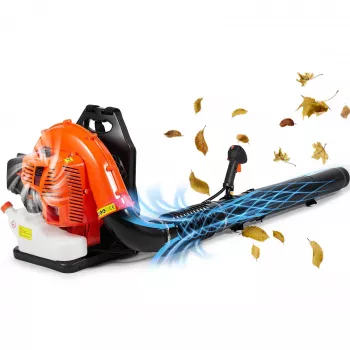
Backpack Gas Leaf Blower 79CC 2-Cycle with 3L Tank & 930CFM Air Volume is designed for high-volume leaf clearing and large-property maintenance. Check the product page for current pricing, stock status, and detailed images.
More in-stock home & yard picks
- Artificial Boxwood Spiral Topiary Plant for a tidy, low-maintenance landscape look near entryways or patios.
- Full-Length Floor Mirror with Stand as a practical add-on for bedrooms, closets, or dressing areas.
FAQ
What does 930 CFM mean for leaf cleanup?
CFM measures how much air the blower moves. A higher CFM rating helps push wider swaths of leaves and roll larger piles more efficiently, though nozzle design, air speed, and technique also affect real-world results.
How long can a 3L tank run before refueling?
Run time varies with throttle use, temperature, and debris load, but a larger 3L tank generally supports longer sessions with fewer stops. Continuous full-throttle operation will shorten run time compared with moderate, on-and-off throttle work.
What fuel mix does a 79cc 2-cycle blower use?
2-cycle engines use gasoline mixed with 2-cycle oil. The exact oil-to-gas ratio depends on the manufacturer’s requirements, so check the unit’s manual or fuel label and mix with fresh fuel for best starting and performance.














Leave a comment