45000RPM USB Nail Drill: Speed, Bits, Heat Control Guide
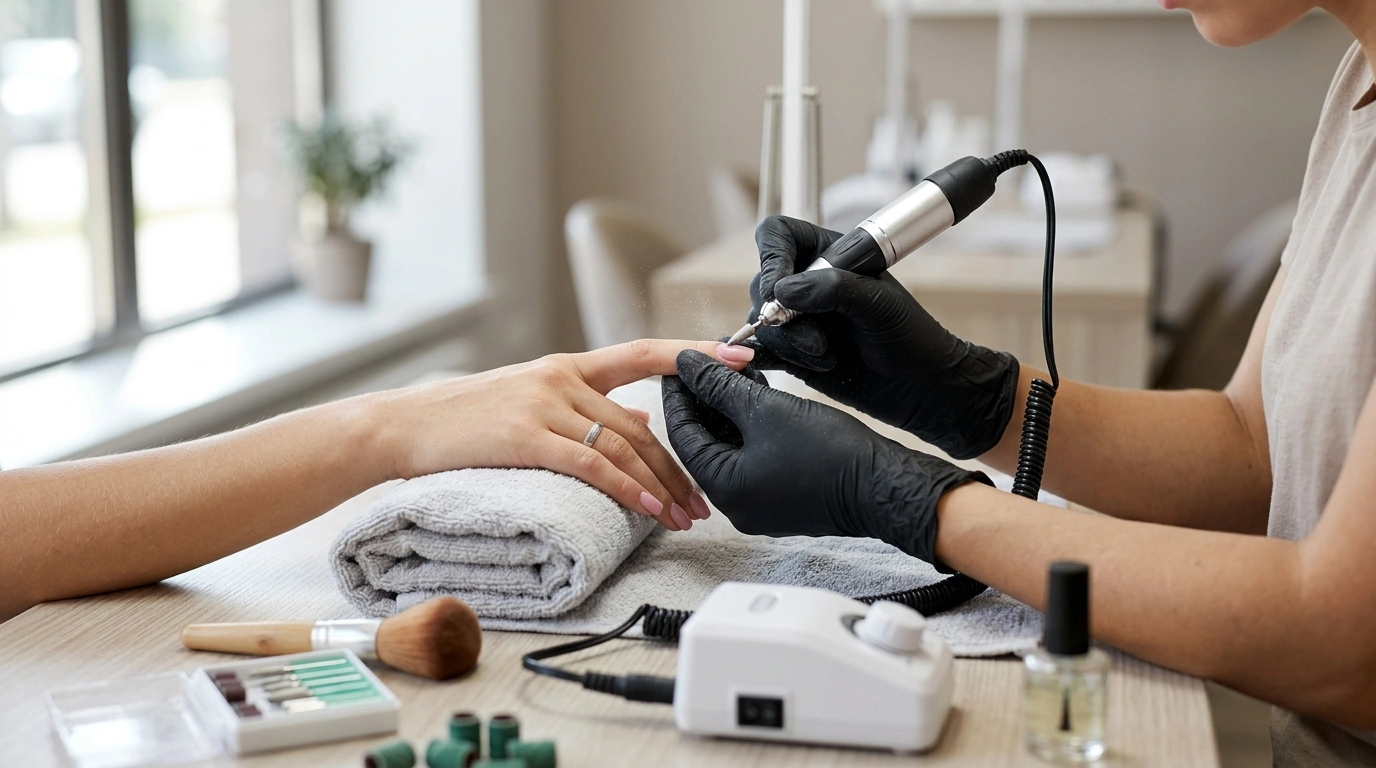
Professional 45000RPM Electric Nail Drill Machine with USB Charging
A high-speed nail drill with USB charging helps streamline prep, shaping, and removal work without being tied to a wall outlet. A 45,000RPM-class e-file is designed to handle everything from quick bulk reduction to controlled refinement—when it’s used with the right bit, the right speed, and a steady hand. This guide explains what this style of drill is best for, how to stay comfortable while minimizing heat, and how to set yourself up for consistent manicure and pedicure results. For more guidance, see Cordless Rotary Tool Kit – 5000-25000 RPM Adjustable Speed, 2.0 ….
What This Nail Drill Is Built to Do
A professional-grade electric nail drill is primarily a time-saving tool for shaping and product management. It’s commonly used to refine bulk, smooth surfaces, shape enhancements, and remove gel or acrylic in a controlled way. For further reading, see HARDELL Mini Cordless Rotary Tool – 5-Speed 3.7V Rechargeable ….
The 45,000RPM ceiling is most useful for faster material reduction (think debulking and reshaping), but the best results usually come from pairing a sensible RPM with a suitable bit and light pressure. Lower speeds are typically better for detail work and any contact with the natural nail.
USB charging adds flexibility for home stations, mobile appointments, or shared workspaces where outlets are limited. For safety and comfort, treat maximum RPM as “available power,” not the default setting—technique matters more than pushing the dial to the top.
Key Features That Matter in Daily Use
Stable speed control (especially at low RPM)
A drill that stays smooth at low speeds is easier to control around sidewalls and cuticle areas. High RPM is helpful for removal, but low-RPM stability is what makes detail work feel predictable.
Torque and stall resistance
Steady rotation under light load reduces “skipping,” which can lead to sudden friction, heat spikes, and uneven surfaces. Good torque helps the bit cut consistently without forcing pressure.
Comfort factors: weight, grip, vibration, noise
Handpiece shape and balance affect fatigue during longer services. Lower vibration supports cleaner passes and less strain on your wrist and fingers.
Charging and power consistency
USB charging is convenient, but consistent output is what keeps RPM steady through a full set. For longer removals, start with a full charge so the drill doesn’t feel like it’s fading mid-service.
Bit compatibility and rotation direction
A standard chuck that accepts common shank sizes makes it easier to replace bits and sanding bands. Forward/reverse rotation improves control for both right- and left-handed users and can make certain sidewall angles feel more natural.
Speed & Bit Pairing Guide (Practical Starting Points)
Use these as starting ranges, then adjust based on product type, bit sharpness, and comfort level. A common mistake is compensating for a dull bit by pressing harder—pressure creates heat faster than RPM alone.
| Task | Suggested RPM range | Typical bit choice | Control tip |
|---|---|---|---|
| Natural nail surface refinement | 3,000–8,000 | Fine sanding band or fine diamond | Use feather-light pressure; keep moving |
| Gel polish removal | 8,000–15,000 | Medium sanding band or smooth-top carbide | Work in passes; avoid the same spot |
| Hard gel / builder gel reduction | 12,000–25,000 | Carbide or ceramic (medium) | Keep a shallow angle to reduce chatter |
| Acrylic debulk & reshape | 18,000–30,000+ | Carbide (medium/coarse) or ceramic | Stabilize the finger; long strokes |
| Callus smoothing (pedicure) | 8,000–15,000 | Pedicure sanding cap | Check skin temperature often |
If heat is felt, adjust in this order: reduce pressure first, then lower speed, then switch to a less aggressive or fresher abrasive if needed. Dull sanding bands and worn bits generate heat because they rub instead of cut.
Comfort, Control, and Heat Management
Anchor your hand for precision
For better control, rest your pinky or the side of your hand on the client’s finger (or your own hand if doing DIY). This stabilizes small movements and helps prevent accidental slips.
Let the bit do the work
Most discomfort comes from pressing too hard. Use light, consistent contact and a shallow angle; increase efficiency by choosing the correct bit rather than increasing pressure.
Use continuous passes—don’t “scrub” in one spot
Control dust for a cleaner service
Filing dust can irritate airways and settle on surfaces. Consider a dust collector or a well-fitting mask, and wipe down your station after services. For broader guidance on workplace exposure and safety practices, see the CDC’s nail salon worker safety resources.
Charging, Portability, and Setup Tips
Care, Cleaning, and Bit Safety
Who This 45000RPM USB-Charging Drill Fits Best
Shop In-Stock Picks
- Professional 45000RPM Electric Nail Drill Machine with USB Charging — $75.82
- 925 Sterling Silver Multicolor Birthstone Clip Earrings — $37.67
- Portable Camping Cooking System with Heat Exchanger and Gas Stove — $56.82
FAQ
Is 45000RPM too fast for natural nails?
For natural nails, most work is done at low RPM with fine bits and very light pressure. The high maximum speed is mainly there for faster removal and debulking on enhancements, not for routine natural nail refinement.
How long should gel removal take with an electric nail drill?
Many removals take around 10–20 minutes depending on product thickness, bit choice, and experience. Work in controlled passes, avoid heat buildup, and stop before reaching the natural nail so you can finish safely with gentle hand filing if needed.
Can a USB-charging nail drill be used while charging?
It depends on the drill’s design, so check the product instructions for supported use. For the most consistent RPM and easier handling, fully charging first is often preferable, especially for longer removal services.














Leave a comment