120 PSI Bike Pump with Gauge for Bikes & Inflatables
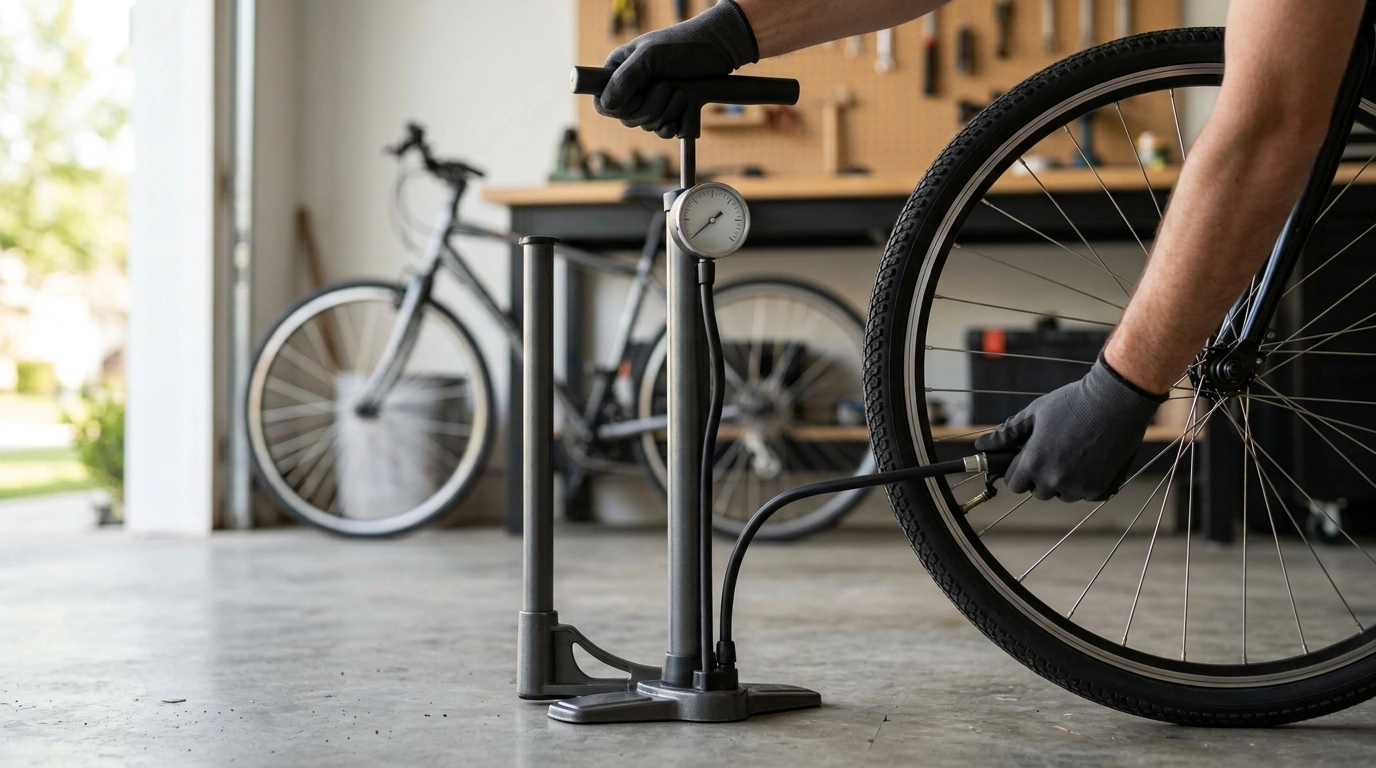
High-Pressure Bike Pump with Gauge (120 PSI) for Bikes and Everyday Inflatables
A flat tire or soft ride shouldn’t slow down a commute, a weekend trail loop, or a family outing. Our high-pressure bike pump is built for fast top-offs and more controlled inflation, with an easy-read gauge that helps you land on the PSI that feels right—without guesswork. Keep it by the door, in the garage, or with your gear so you’re ready for bikes and other inflatable essentials. For more guidance, see Cordless Tire Inflators Review.
Why a pump with a PSI gauge changes the whole routine
Inflating “by feel” works until it doesn’t—especially when you’re switching between different bikes, different tires, or different riding surfaces. A gauge brings the process back into your control. For further reading, see Portable Tire Inflator Bike Pump Woowind BP188 ….
- More control: the gauge lets you dial in firmness instead of guessing.
- More consistency: once you find a pressure you like, you can repeat it and keep handling predictable.
- Less risk of overinflation: watching the needle climb makes it easier to stop at the right point.
- Quicker troubleshooting: when you know your starting PSI, sudden pressure loss is easier to spot.
If you want deeper background on tires and tubes, Park Tool’s overview is a solid reference: Park Tool — Tire and Tube Basics.
Where a 120 PSI high-pressure pump earns its spot
A pump rated up to 120 PSI is built for situations where reaching higher pressure is part of keeping your ride feeling sharp and efficient. Even when you’re not inflating anywhere near the max, the extra headroom helps you approach your target PSI without struggling at the top end.
- Road and hybrid setups: higher pressures are easier to reach when the pump is designed for it.
- City commuters: quick top-offs help reduce pinch flats and keep rolling resistance in check.
- Kids’ bikes and family fleets: one reliable pump reduces last-minute surprises on busy mornings.
- Garage-ready convenience: a go-to inflator makes regular maintenance and seasonal storage simpler.
For a pressure mindset that balances comfort, grip, and efficiency, you can also review guidance from tire brands and drivetrain manufacturers such as Schwalbe — Tire Pressure and SRAM — Tire Pressure Guide.
Using the gauge: practical steps to hit the PSI you actually want
Small changes in PSI can change how a bike feels. The goal isn’t to inflate to the maximum; it’s to inflate to the number that matches your tire’s rated range and the kind of ride you want.
- Start with the tire’s recommended range: most tires list a PSI range on the sidewall; stay within it.
- Inflate in short bursts near the target: as you get close, add air gradually and re-check the gauge.
- Aim for purpose, not maximum: higher PSI can feel faster on smooth pavement, while slightly lower (within range) can add comfort and grip on rougher surfaces.
- Re-check before rides: pressure naturally drops over time; a quick glance at the gauge prevents headaches later.
| Step | What to do | Why it helps |
|---|---|---|
| Read the tire sidewall | Find the listed PSI range | Sets safe boundaries for inflation |
| Set a target PSI | Pick a number within the range that matches riding conditions | Keeps feel and handling consistent |
| Inflate gradually | Add air in small increments near the end | Avoids overshooting the target |
| Confirm and cap | Stop at target PSI and secure the valve cap | Helps maintain pressure and valve cleanliness |
Multi-use inflator: beyond bike tires
Our team likes tools that do more than one job, because they’re easier to store, find, and trust when time is tight. A multi-use inflator can be a simple household helper—especially when something needs air right before you leave.
- Everyday readiness: useful when household inflatables need topping off before guests arrive or a trip starts.
- Sports and recreation: convenient for keeping common inflatable gear ready to go (use the appropriate attachment if available/required).
- Better planning for outings: checking and correcting pressure at home saves time on-site.
- One tool mentality: one inflator that covers multiple needs reduces clutter.
What to expect from this pump (at-a-glance)
If you want a quick summary, here’s what matters most: a high-pressure ceiling, a gauge you can watch while you work, and a straightforward way to keep bikes (and other inflatables) from turning into last-minute problems.
| Item | Details |
|---|---|
| Product | High-Pressure Bike Pump with Gauge 120 PSI Multi-Use Inflator |
| Max pressure | 120 PSI |
| Gauge | Integrated PSI gauge |
| Use | Bike tires and multi-use inflation |
| Price | 29.51 USD |
| Availability | In stock |
More in-stock picks from our team
- portable-camping-cooking-system-with-heat-exchanger-and-gas-stove
- 925-sterling-silver-multicolor-birthstone-clip-earrings
- modern-nightstand-with-hidden-gun-drawer-usb-type-c-charging-led-sensor-light
Care tips that keep a pump working smoothly
FAQ
How do you choose the right PSI when using a pump with a gauge?
Start with the PSI range printed on your tire sidewall and choose a target within that range based on comfort versus speed. As you approach the target, inflate in smaller bursts and watch the gauge so you don’t overshoot.
Can a 120 PSI pump be used for everyday inflatables as well as bikes?
Yes—our pump is intended as a multi-use inflator, and the gauge helps you avoid overinflation. The key is using the correct attachment/connection for the specific item you’re inflating and stopping at a sensible pressure for that item.
What should you do if the gauge reading seems off?
First, re-seat the connection and pump a few strokes to let the reading stabilize. If you can, compare it to another gauge; regardless, keep inflation within the tire’s rated PSI range to stay on the safe side.















Leave a comment