
1600LM USB-C Rechargeable Waterproof Bike Headlight
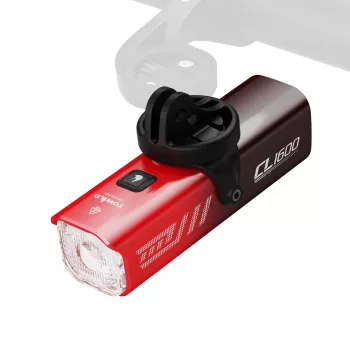
1600LM Rechargeable Bike Headlight with USB‑C: Waterproof LED Front Lamp for Safer Rides
A bright, dependable headlight makes early-morning commutes, night rides, and dim trails feel more controlled and predictable. A 1600-lumen rechargeable bike headlight combines a high-output beam with USB‑C charging and a weather-ready build so the road ahead is easier to read and other road users can spot you sooner. When visibility drops—because of darkness, fog, tree cover, or rain spray—a strong front light helps reduce surprises and supports steadier line choice through corners, potholes, and uneven pavement.
What It Is and When It Helps Most
This type of headlight is a high-output LED front lamp built for riding in low light, at night, or on shaded roads and paths where ambient lighting can’t be trusted. A rechargeable system is especially practical for riders who use their light often, since it avoids constant battery replacement and makes it easier to keep a consistent “charge and go” routine. With USB‑C, charging is compatible with modern cables and common power sources like wall adapters, laptops, and power banks.
A water-resistant housing is a major plus for commuting, because wet roads and changing weather can show up without warning. This category of light generally makes the most sense for commuters, fitness riders, and weekend riders who want a brighter beam to better pick out hazards and stay more noticeable in traffic.
Key Features to Look For on the Road
Brightness matters, but beam shape matters just as much. A useful bike beam typically includes a defined center hotspot (to project down the lane) along with spill light (to support peripheral awareness). That combination makes it easier to see both what’s directly ahead and what’s approaching from the sides—like driveway entrances, shoulder debris, or a rider drifting into your line.
Multiple modes are also important. High output can be ideal on unlit roads, while medium or low can be more appropriate for city streets where streetlights and reflective signage already exist. Flash and pulse modes can increase conspicuity in traffic, but steady modes are often better for judging distance and road texture on darker routes.
Mounting is another real-world differentiator. A quick, tool-free mount should still hold position over bumps, resisting rotation so your aim doesn’t wander upward (glare) or downward (short, unusable throw). Also look for a protected USB‑C port with a snug cover to block rain and grit. Finally, heat management matters: high-power LEDs can warm up, and a light with stable output over time is generally more confidence-inspiring than one that starts extremely bright and then steps down quickly.
Charging, Runtime, and Daily Practicality
USB‑C charging fits naturally into everyday life because it matches the cables used for many phones, tablets, and accessories. For best results, use a quality cable, keep the port area clean, and avoid forcing the port cover—small tears or poor closure can compromise water resistance over time.
For many commuters, medium mode often hits a practical balance between forward visibility and runtime. If your route mixes lit streets and darker segments, switching modes as needed can help avoid running the battery down early. Power-bank-friendly charging is also handy for travel or long days: topping up during a coffee stop can reduce the chance of mid-ride dimming on the return trip.
Waterproofing and All-Weather Use
“Waterproof” in bike lights often means the light is designed to withstand rain, splashes, and wet roads rather than full immersion. Real-world protection depends not only on the housing, but also on the USB‑C port seal and how carefully the cover is closed after charging. If you want a deeper understanding of water resistance labeling, the IEC IP (Ingress Protection) concept is a helpful reference point; see an overview of the IP code here: IEC 60529 IP Code (Ingress Protection).
Quick checks before riding in the rain
| Check | Why it matters | What to do |
|---|---|---|
| Charging port cover | Prevents water ingress | Press fully closed; inspect for debris |
| Mount tightness | Stops the beam from dipping on bumps | Re-seat and tighten before wet rides |
| Lens cleanliness | Maximizes usable light output | Wipe with a soft damp cloth; dry after |
| Mode selection | Balances visibility and runtime | Use steady modes for dark roads; flash for visibility in traffic |
Setup Tips for Better Visibility (Without Blinding Others)
Who It’s For
In-Stock Picks
- 1600LM Rechargeable Bike Headlight USB‑C Waterproof LED Front Lamp — a bright, rechargeable front light designed for wet-weather commuting and night riding.
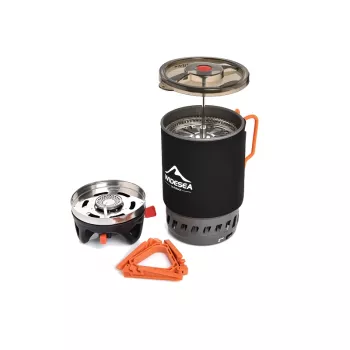
- Portable Camping Cooking System with Heat Exchanger and Gas Stove — a practical add-on for bikepacking or roadside breaks when rides run long.
Safety Notes Worth Remembering
Even the best headlight is only one part of safer riding: maintain predictable positioning, slow down when sight lines shorten, and use reflective elements where possible. For general bicycle safety guidance, the U.S. Consumer Product Safety Commission provides an overview here: CPSC Bicycle Safety. For additional roadway-focused safety resources, review NHTSA Bicycle Safety.
FAQ
Is 1600 lumens too bright for city riding?
1600 lumens can be very helpful, but it depends on aiming and mode choice. In city traffic, using a lower or medium mode and angling the beam down reduces glare while still keeping you visible and improving your view of the road.
Can a USB‑C bike headlight charge from a power bank while traveling?
Yes, many USB‑C bike headlights can charge from a power bank using a quality cable. Keep the charging port dry, close the cover securely afterward, and charge during stops rather than while riding in heavy rain.
What does “waterproof” typically mean for bike lights?
It usually means resistance to rain and splashes, not guaranteed protection during full submersion. The charging-port seal is often the weak point, so ensure the cover is fully closed and avoid high-pressure spray near the port.













Leave a comment