

Electric Vibration Massage Gun for Recovery & Smoother Skin
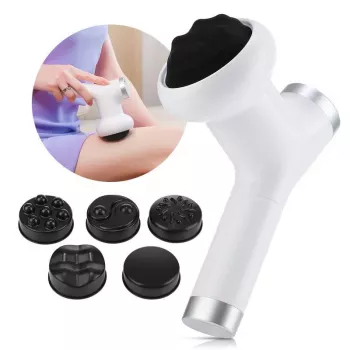
Electric Slimming Vibration Massage Gun: Daily Recovery, Smoother-Looking Skin, and At-Home Comfort
A vibration massage gun can be a simple way to unwind tight muscles after workouts, long desk days, or travel. Used consistently, it may support circulation and a more “refreshed” look in areas that tend to feel puffy—especially when paired with hydration, regular movement, and balanced nutrition. This guide covers what these devices are designed to do, realistic expectations around “slimming,” how to use safe settings by body area, and what to look for before buying.
What this type of massage gun is designed to do
Vibration (or percussive-style) massage guns deliver rapid pulses that can help relax muscle tissue and reduce the sensation of stiffness. Many people use them as part of warm-up and cooldown routines because the localized stimulation can increase circulation and help tissues feel looser before training and calmer afterward.
- Delivers rapid vibration pulses to help muscles feel more relaxed and less tight.
- Supports warm-ups and cooldowns by encouraging local blood flow and a warming sensation.
- Fits comfort-focused body care where “slimming” refers to appearance and routine support, not guaranteed fat loss.
- Common tight zones: calves, quads, hamstrings, glutes, upper back, shoulders, and forearms.
For a medical perspective on what to expect (and what not to expect), it helps to review guidance from sources like Cleveland Clinic and the Mayo Clinic.
How vibration massage fits into a “slimming” routine (realistic expectations)
When shoppers see “slimming” in a product title, it’s important to keep expectations grounded. Vibration massage can support circulation and temporary fluid movement, which may reduce the appearance of puffiness for some people. That can translate to skin looking a bit smoother or legs feeling “lighter” after a session—especially after sitting, flying, or standing all day.
- May temporarily reduce the look of puffiness by supporting circulation and fluid movement.
- Relaxed muscles can make workouts and daily movement feel easier, helping consistency over time.
- Body composition changes still come from nutrition, resistance training, and regular activity; devices are supportive tools.
- Track progress with consistent lighting, tape measurements, and how clothes fit (not day-to-day scale swings).
If you like visual check-ins, a stable mirror setup can help you compare posture and muscle tone under consistent lighting. A Full-Length Floor Mirror with Stand can make those weekly, same-time comparisons easier.
Key features to look for before buying
The “best” massage gun is the one that feels comfortable to hold and easy to control. Look for features that match your typical use—whether that’s quick desk-day relief, post-gym recovery, or a nightly leg comfort routine.
- Adjustable intensity: low settings for sensitive areas, stronger settings for larger muscle groups.
- Ergonomic grip and balanced weight: reduces wrist strain, especially on legs and upper back.
- Battery life and charging method: consider home use vs. travel/gym bag convenience.
- Noise level: important for apartments, shared spaces, or evening use.
- Interchangeable heads: broad heads for big muscles, smaller heads for targeted spots.
Common massage gun heads and typical uses
| Head type | Best for | How it should feel |
|---|---|---|
| Ball / round | Large muscles (glutes, quads, calves) | Deep but comfortable pressure without sharp pain |
| Flat | General use on dense muscles (back, thighs) | Even contact, less “pointy” sensation |
| Bullet / cone | Small trigger points (feet, forearms) | Targeted sensation; keep time short |
| Fork / U-shape | Around tendons and along sides of spine (avoid bone) | Focused on muscle channels, not on joints |
How to use it for best results (warm-up, recovery, comfort)
Consistency matters more than intensity. The goal is to help muscles feel more comfortable—not to “push through” pain. Keep sessions short at first and treat the massage gun like a controlled tool rather than a power device.
Simple session plan (10 minutes)
| Goal | Areas | Suggested time |
|---|---|---|
| Pre-workout warm-up | Quads, glutes, calves | 30–45 sec per area |
| Post-workout recovery | Quads/hamstrings, calves, upper back | 60–120 sec per area |
| Desk-day relief | Upper traps, lats, forearms | 45–90 sec per area |
| Leg comfort routine | Calves, hamstrings, glutes | 60–120 sec per area |
Safety notes and when to avoid using a massage gun
Care, cleaning, and storage
Product spotlight: Electric Slimming Vibration Massage Gun
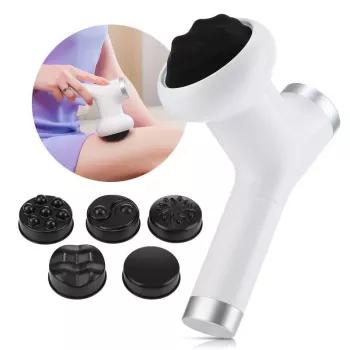
If you want a practical at-home option for muscle relief, post-workout recovery, and daily comfort routines, the Electric Slimming Vibration Massage Gun fits neatly into a consistent self-care schedule. For best results, keep pressure controlled, choose the correct head for each muscle group, and build the habit over time—especially on legs, glutes, and the upper back.
Quick checklist before first use
| Step | What to do |
|---|---|
| Charge | Fully charge before the first session if required |
| Choose head | Match head size to the muscle area |
| Start low | Use the lowest intensity for the first week |
| Limit time | Keep sessions short until the body adapts |
| Avoid sensitive zones | Stay off bones, joints, and the front of the neck |
FAQ
Does a vibration massage gun actually help with slimming?
It can support circulation and muscle relaxation and may temporarily improve the look of puffiness, but it does not directly burn fat. Lasting changes typically come from nutrition, strength training, and consistent activity.
How often can it be used on legs and glutes?
Many people do light use daily or aim for 3–5 days per week, depending on soreness and comfort. Start with short sessions and increase time gradually if the area feels good afterward.
Where should a massage gun not be used?
Avoid bones, joints, the front of the neck, and bruised or inflamed tissue. If you have clot risk, take blood thinners, have neuropathy, are pregnant, or recently had surgery, get medical guidance before using one.














Leave a comment