Flying With a Baby: Calm Checklists, Packing & Soothing
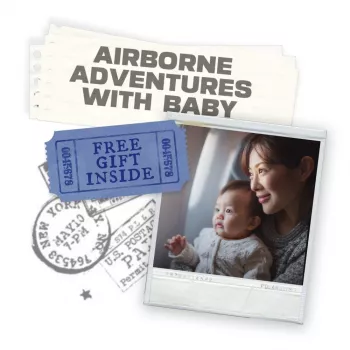
Airborne Adventures with Baby: A Calm, Practical Flight Plan for Parents
Flying with a baby can feel unpredictable, but most stress comes from a few preventable pinch points: timing, packing, feeding, sleep, and expectations. A smoother travel day isn’t about carrying more gear—it’s about making a handful of decisions early, keeping essentials easy to grab, and having a simple “next step” when plans change. Use the flight plan below to reduce friction at the airport, improve in-flight comfort, and stay focused on what matters: helping your baby stay regulated while the day keeps moving.
Start With the Right Flight Setup
The best “calm baby” strategy often happens before you leave home. The goal is to reduce transitions and line up the flight with your baby’s most reliable rhythms.
- Pick a nap-aligned departure when possible. A well-timed nap often beats any in-flight toy strategy.
- Prioritize nonstop routes. Takeoffs, landings, transfers, and gate changes are high-friction moments for infants.
- Choose seats with a plan: aisle for quick exits and diaper changes; window to avoid bumps from carts and foot traffic; consider buying the whole row when it’s a good value.
- If budget allows, consider buying baby a seat and using an FAA-approved car seat for safety and a familiar “settle spot.” The FAA provides guidance on restraint systems and safe seating for children (FAA — Flying with Children).
- Build buffer time. Arriving early reduces pressure when feeding, changing, or security takes longer than expected.
Quick Flight Planning Checklist (1–2 Weeks Out)
| Decision | Best Option | Why It Helps |
|---|---|---|
| Route | Nonstop when possible | Fewer transitions and less overtiredness |
| Flight time | Nap-aligned departure | Higher chance of calm, sustained sleep |
| Seat plan | Aisle or purchased seat + car seat | Easier movement; more predictable settling |
| Luggage strategy | Carry-on focused + one checked bag (optional) | Keeps essentials within reach during delays |
| Airport arrival | Earlier than usual | Time cushion for feeding, changing, and lines |
Documents, Tickets, and Rules That Commonly Trip Families Up
Many “airport meltdowns” start as paperwork or policy surprises. A few checks ahead of time can prevent frantic searching at the counter.
- Confirm identification requirements for infants for domestic vs. international travel. Policies vary by country and airline.
- Review lap infant rules, including baggage allowances for diaper bags and gate-check procedures for strollers and car seats.
- If traveling internationally, verify passport timing, any required consent letters (especially for single-parent travel), and destination entry rules for minors.
- Keep key items accessible: boarding passes, IDs, insurance card, pediatrician contact, and a current photo of your baby (helpful if separated in a crowd).
- Plan security proactively. Formula, breast milk, and baby food are typically allowed in reasonable quantities, but screening steps can add time. The TSA outlines family procedures and what to expect (TSA — Traveling with Children).
Packing for the Cabin: Less Bulk, More Coverage
Pack for scenarios, not categories. When your baby needs something, you want one grab-and-go pouch—not five loose items spread across a bag.
Feeding and Ear Comfort During Takeoff and Landing
- Time a feed for takeoff and landing (breast, bottle, or pacifier) to help reduce ear pressure discomfort.
- Keep bottle prep simple. Pre-measure formula or use ready-to-feed options when practical; airport time is not ideal for complicated mixing.
- Bring extras of the tiny stuff: one spare nipple, pacifier, or teether. These are easy to drop and hard to replace mid-flight.
- Hydration helps older infants with small sips; younger babies often do best with frequent feeds rather than a strict schedule.
- If baby has an ear infection or significant congestion, consult your pediatrician before flying for personalized guidance. The American Academy of Pediatrics shares general air travel tips for families (AAP — Air Travel Tips).
Keeping Baby Settled in the Air: Sleep, Soothing, and Movement
Airport Flow That Reduces Stress (Boarding to Baggage Claim)
When Travel Disruptions Happen: Delays, Missed Connections, and Crying in Public
A Ready-to-Use Game Plan: Airborne Adventures with Baby (Digital eBook)
If a simple checklist-style system helps you make faster decisions on travel day, Airborne Adventures with Baby | Digital eBook Guide for Parents | Practical Tips on How to Fly with a Baby | Stress-Free Family Travel Made Simple is built around the most common stress points: what to do first, what to pack, and how to handle the predictable surprises (delays, pressure changes, short naps, and tight airplane bathrooms).
Travel can also expose gaps in your at-home sleep setup—especially when you return and need a smoother bedtime routine for multiple kids. If you’re rebuilding rhythm after a trip, a shared sleep option like the Twin Over Twin Bunk Bed with Slide and Ladder can help families organizing space for siblings (and making post-travel bedtime feel more predictable again).
FAQ
Is it better to board early or wait until the last minute with a baby?
Early boarding helps if you need time to install a car seat, stow bags, and set up your “kits.” Waiting to board can be better if your baby gets antsy when confined, since it shortens the time spent seated before takeoff.
How many diapers should be packed for a flight day?
A practical rule is 1 diaper per 2 hours of total travel time (door-to-door), plus 3–5 extras for delays, long taxi times, or missed connections. Add plenty of wipes and at least one full outfit change for baby (and a spare shirt for an adult).
How can ear discomfort be reduced during takeoff and landing?
Feeding or offering a pacifier during ascent and descent encourages swallowing, which can ease pressure changes. If your baby is sick, congested, or has known ear issues, check with a pediatrician before flying for individualized guidance.















Leave a comment