Fast At-Home IPL Hair Removal: 22J Wide-Window Guide
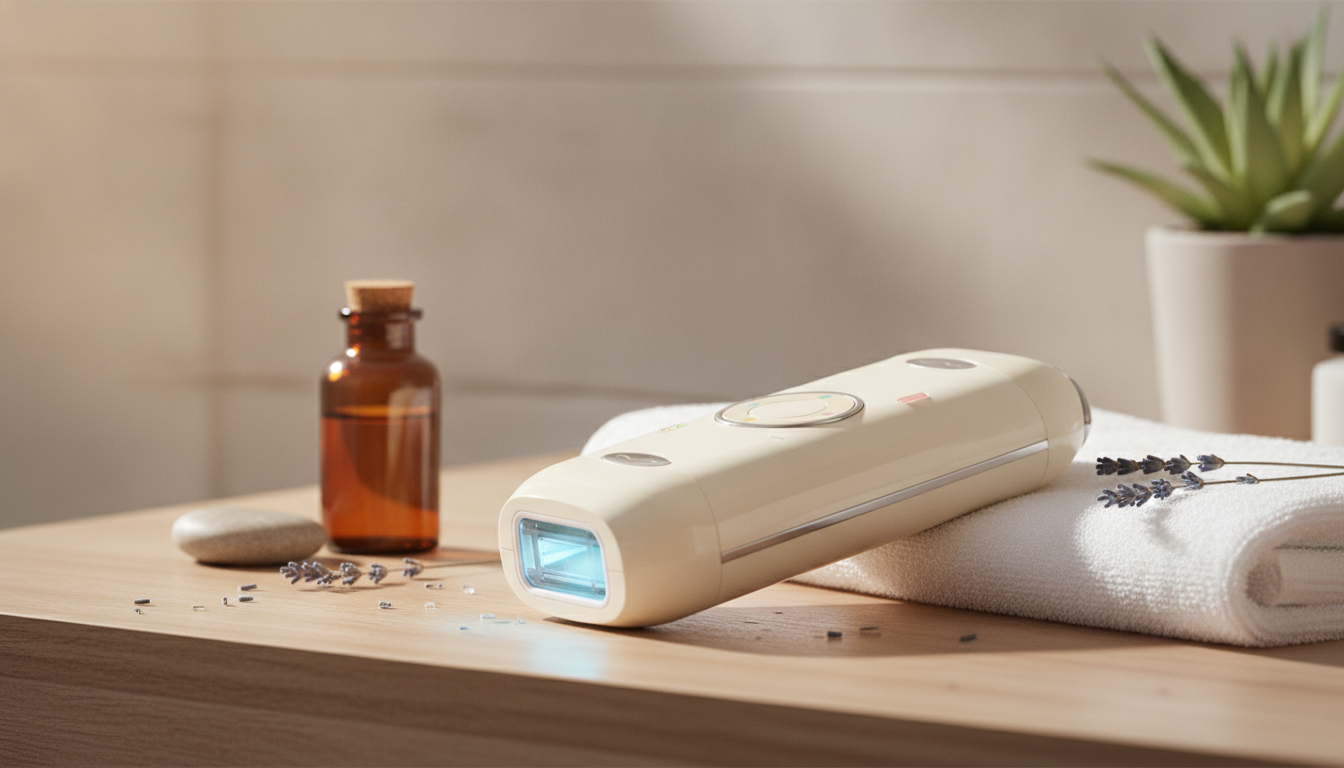
IPL Hair Removal at Home: Wider Coverage, Faster Sessions
At-home IPL (intense pulsed light) can help reduce visible hair regrowth over time by targeting pigment in the hair follicle. This 22J device pairs a wide 5.2 in² treatment window with quick flashes for faster coverage on larger areas, while focusing on comfort for more consistent weekly sessions. It’s designed to support a routine—progressively smoothing regrowth with repeated use rather than promising a one-time, permanent result.
For additional background on light-based hair removal and what results typically look like, helpful references include the American Academy of Dermatology, the Mayo Clinic, and the U.S. FDA guidance on home-use laser products.
What It Is and Who It’s For
IPL devices are built for people who want gradual, long-term hair reduction at home through repeated sessions. Light energy is delivered to the skin surface and absorbed by pigment in the hair, helping disrupt the follicle’s ability to produce a thick, fast-growing strand over time.
- Designed for shoppers who prefer a consistent at-home routine over salon appointments.
- A wide treatment window helps cover legs, arms, and other larger zones with fewer placements.
- Best results generally come from consistent use over multiple weeks, followed by maintenance sessions.
- Not a permanent “one-and-done” method; it’s a progressive reduction approach that tends to look better the longer you stick with the schedule.
Because IPL performance depends on hair/skin contrast and individual factors (like hormones and growth cycles), it’s important to check compatibility guidance on the product page and follow the included instructions closely.
Key Highlights: 22J Energy, Wide Window, Quick Flashes
This model emphasizes speed and coverage: stronger energy capability, a larger window, and quick flash cadence so repetitive areas feel less tedious. The goal is simple—make sessions easier to complete, since consistency is a major driver of noticeable change.
At-a-Glance Features
| Feature | Why it matters |
|---|---|
| 22J energy | Potentially stronger pulses for compatible skin/hair profiles; still requires careful level selection and a gradual ramp-up. |
| 5.2 in² treatment window | Fewer placements per area; faster coverage on large zones like thighs, calves, and forearms. |
| Quick flashes | Reduces downtime between pulses for smoother sessions, especially where placement is repetitive. |
| Comfort-oriented design | More comfortable sessions can make it easier to keep up with weekly cycles and avoid skipping. |
Where It Fits in a Hair-Removal Routine
IPL fits best into a plan that’s built around shaved skin and a predictable cadence. Unlike waxing or epilating, which pull hair from the root, IPL needs the follicle to be present as a target—so shaving is typically the preferred prep method.
- Shave before treating: Hair above the surface can absorb light, reducing effectiveness and increasing the chance of a hot or stingy feeling.
- Start with a steady rhythm: Many routines begin weekly for several weeks, then shift to maintenance as regrowth slows.
- Avoid waxing/epilating between sessions: If the follicle is removed, there’s less for IPL to target.
- Track your zones: A simple “map” (calves one day, thighs another) helps prevent missed patches or accidental repeat passes.
If you’re treating larger areas, setting up in a well-lit space can make technique easier. A full-length mirror can help you keep consistent spacing on legs and reach angles you might otherwise miss.
Comfort and Safety Essentials
A comfort-first approach is also a safety-first approach. Using a level that’s appropriate for your skin and building up gradually can help minimize irritation while keeping your routine sustainable.
- Start low and increase gradually: Give your skin time to adapt and watch how it responds over 24–48 hours.
- Patch test first: Treat a small area, then wait to confirm there’s no adverse reaction before expanding coverage.
- Avoid high-risk spots: Don’t treat tattoos, very dark moles, or irritated/broken skin. Keep the treatment window clean for consistent light delivery.
- Be cautious with sun exposure: Tanning and sunburn can increase sensitivity. Follow device guidance regarding sun, self-tanner, and post-treatment care.
- Check with a clinician when needed: If pregnant, on photosensitizing medications, or managing skin conditions, get medical advice before use.
Tips to Get Faster, More Even Coverage with a Wide Window
A 5.2 in² window can make sessions feel dramatically quicker—but technique still matters. Even coverage helps avoid patchiness and reduces the temptation to “double flash” an area in the same session.
What to Expect: Timeline and Results
Product Options Available Now
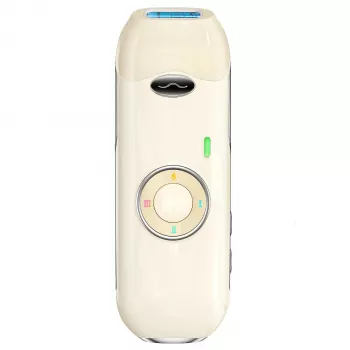
- IPL Hair Removal Laser 22J with 5.2 in² Window & Painless Quick Flashes — in stock, built for faster sessions on larger areas with quick flash pacing and a comfort-oriented approach.
- Full-Length Floor Mirror with Stand — in stock, helpful for seeing coverage on legs and arms, checking missed spots, and keeping straight “lane” placement.
FAQ
Does IPL hurt?
It’s often described as a warm snap or mild sting, and comfort can vary by body area and intensity level. Starting at a lower setting, patch testing, and treating only freshly shaved skin typically improves comfort.
How often should it be used at the beginning?
Many routines start with weekly sessions for several weeks, then reduce frequency for maintenance. Follow the schedule in the device instructions and adjust cautiously based on how your skin responds.
Can it be used on the face or bikini area?
Some devices allow certain facial zones and the bikini line with extra caution, while others restrict use. Confirm approved areas in the product instructions and avoid use near the eyes, on mucous membranes, or on sensitive/irritated skin.













Leave a comment