
Seasonal Decor Storage & Rotation System That Works

Seasonal Spaces Made Simple: A Smart System for Storing Décor and Rotating It Year-Round
Seasonal décor should add joy, not clutter. A simple, repeatable storage-and-rotation system keeps holiday bins under control, protects fragile pieces, and makes decorating faster each season. The goal isn’t perfection—it’s a workflow you can repeat: sort, pare down, pack, label, and rotate. Once the system is in place, each swap becomes a quick reset instead of an all-day overhaul.
Start With a Clear Seasonal Inventory (Without Making a Mess)
Inventory doesn’t have to mean dumping every bin on the floor. Pick one “staging zone” (a living room corner, dining table, or a tarp in the garage) and only bring out one season at a time. That single decision prevents the classic mid-project pileup.
- Group items by destination: front door, mantel, table, tree, outdoor, kitchen, kids’ crafts, lighting, and “misc.”
- Do a quick condition check: broken strands, chipped ornaments, warped signs, missing parts—decide repair vs. recycle/donate.
- Create a “must-use favorites” subset to prevent buying duplicates next year.
- Photograph finished seasonal vignettes so next year’s setup is more “copy/paste” than guesswork (save photos in an album named by season).
Seasonal Décor Sorting Map
| Category | Examples | Best Container | Label Tip |
|---|---|---|---|
| Fragile | ornaments, glass trees, ceramic houses | divided ornament box or padded tote | mark as FRAGILE + room name |
| Soft goods | stockings, table linens, pillow covers | zip fabric bag or lidded tote | note sizes (e.g., “18×18 covers”) |
| Lighting | string lights, extension cords, timers | small bin-in-bin organizer | include a test date sticker |
| Outdoor | wreaths, yard stakes, inflatables | wreath container or long tote | add placement note (“porch left”) |
| Paper/crafts | gift bags, tissue, kids crafts | file box or slim tote | separate “keep” vs “use up” |
Declutter With Season-by-Season Rules That Prevent Regret
Decluttering seasonal items is easiest when decisions are pre-made. A few simple rules keep emotions from taking over and prevent the “why did I keep this?” moment next year.
- Use the space-limit rule: each season gets a set number of bins; if it doesn’t fit, something leaves.
- Keep one small memory box per season (handmade ornaments, kids’ crafts) to preserve what matters without overflowing storage.
- Retire décor that no longer matches your home’s color palette or style; a cohesive core set looks better and stores tighter.
- Avoid aspirational items that never get used (extra place settings, porch signs that don’t survive the weather, “someday” DIY projects).
- Set a replacement threshold for lights: if a strand fails twice in a season, replace it and recycle the old one. For general disposal guidance, the EPA’s Reduce, Reuse, Recycle resources are a helpful starting point.
Pack to Protect: Containers, Cushioning, and Moisture Control
Storage works when it’s protective and stackable. Choose systems that reduce breakage, tangles, and that musty “stored in a basement” smell.
- Use uniform bins where possible so stacks stay stable and you can maximize vertical shelf space.
- Cushion breakables with reusable materials: dish towels, clean socks, or bubble wrap reserved for décor only.
- Prevent tangles by winding lights and garlands around cardboard wraps or dedicated reels.
- Control moisture in basements/garages: keep items off concrete, add silica gel packs, and avoid cardboard for long-term storage. Mold prevention basics from the American Cleaning Institute can help you plan a drier storage zone.
- Store scents (candles, potpourri) in sealed bags so fragrance doesn’t transfer to fabric décor.
Also consider safety during setup and takedown—especially with heat sources and electrical décor. The National Fire Protection Association’s holiday safety guidance is a smart reference before plugging in older strands.
Label Like a Pro: Fast Setup and Even Faster Put-Away
Build a Seasonal Rotation Calendar That Fits Real Life
A Ready-Made System: Seasonal Spaces Made Simple (Digital Download)
If you want a plug-and-play structure you can reuse every year, the Seasonal Spaces Made Simple digital download is built to streamline sorting, storage planning, decluttering, labeling, and rotation routines—especially helpful when you’re juggling multiple holidays, limited storage, or shared family décor collections.
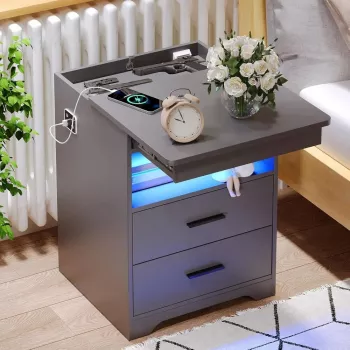
To support the “Open First” approach, some households also like a dedicated spot near the seasonal storage zone for small tools and essentials. A compact furniture piece with extra hidden storage (like the modern nightstand with hidden drawer) can work as a tidy staging station in a closet-adjacent room or finished basement area.
What the System Helps Standardize
| Storage Challenge | Simple Standard to Set | Outcome |
|---|---|---|
| Too many bins | cap bins per season | less clutter, easier stacking |
| Hard to find items | season + room labels | faster decorating |
| Broken décor surprises | condition check at takedown | fewer last-minute runs |
| Duplicates bought | inventory list by bin | smarter shopping |
| Messy transitions | “Open First” bin | smooth setup and cleanup |
Seasonal Storage Zones: Small-Space Setups That Still Work
FAQ
How many storage bins should each season have?
Pick a fixed limit based on your shelving and how often you decorate—often 1–3 bins for minor seasons and 3–6 for major holidays. Declutter to fit the limit, and keep one small memory box per season so sentimental items don’t spill into every bin.
What’s the best way to store string lights so they don’t tangle?
Wind lights onto reels or sturdy cardboard wraps, then label them by location (tree, mantel, porch) and add a quick test-date sticker before storing. Keep bulbs, timers, and spare fuses in a dedicated small bin so everything is ready next season.
Where should seasonal décor be stored to avoid damage?
Store décor in a dry, stable spot, off concrete floors, and away from extreme heat or humidity when possible. Lidded plastic bins, moisture absorbers, and extra padding for fragile pieces go a long way toward preventing warping, rust, and breakage.
















Leave a comment