

Verify Real Discounts: Quick Math to Spot Fake Deals

The Discount Detective: Spotting Real Savings in a Sea of Sales
Sales tags are everywhere, but not every “deal” is a real bargain. The fastest way to shop smarter is to treat every discount like a claim that needs proof—then run a consistent, repeatable check before money leaves your cart. The steps below help verify discounts, compare true value, and sidestep common pricing tricks so purchases are driven by numbers, not noise.
Start With the Case File: What Counts as a Real Deal?
A “real deal” depends on what the purchase needs to accomplish. Before browsing, decide what you’re optimizing for: the lowest possible price, the best quality per dollar, or the best overall value (price plus warranty coverage, return flexibility, customer support, and long-term durability).
Next, separate “discount” from “savings.” A lower sticker price only matters if it’s lower than the normal market price—not just lower than a conveniently chosen “original price.” Treat the “was” price like an allegation: verify it with evidence such as price history, comparable listings from other retailers, or even your own receipts from earlier weeks.
Finally, set boundaries. A target price keeps you patient; a walk-away price prevents last-minute rationalizing. That single step reduces impulse buying more than any shopping hack because it turns “maybe” into a simple pass/fail decision.
Decode the Label: Common Discount Types and What They Usually Mean
Not all promotions behave the same. A quick decode saves time and helps you compare apples to apples.
- Percentage-off claims: Confirm the percent is applied to a believable baseline price—not an inflated “was” number that rarely existed in the real market.
- Buy-one promotions: Convert it to a per-unit price. A “BOGO 50%” can be great or mediocre depending on the normal unit price and whether the pack size forces overbuying.
- Coupons and promo codes: Check stacking rules, brand exclusions, minimum spend thresholds, and expiration times. Also verify whether shipping and handling wipe out the coupon value.
- Rebates and gift cards: Count these as delayed or conditional value. Confirm redemption steps, deadlines, and whether the reward is restricted to a specific store or category.
- Membership pricing: Factor in subscription fees and how often the discount will realistically be used. A member price isn’t a deal if you only shop once a year.
Run the Numbers: A Quick Savings Verification Table
Use a consistent formula and a short list of checks. Start with “regular price evidence” (what it typically sells for), then compute the discount and the true total cost (including shipping, taxes, and any required add-ons like cables, filters, or proprietary accessories). For consumables and multipacks, unit price is often the real story.
| What to check | How to verify | Red flag |
|---|---|---|
| Baseline price | Look for prior price history, competitor pricing, or past receipts | Only an “MSRP/was” price with no evidence |
| True total cost | Sale price + shipping + taxes + fees | High shipping cancels the discount |
| Unit price | Divide by count/weight/volume/storage | Bigger package costs more per unit |
| Bundle value | Price each item separately at typical market price | Bundle includes low-value add-ons to inflate “savings” |
| Return costs | Read return window, restocking, return shipping | Strict terms make a “deal” risky |
| Time pressure | Check whether the offer repeats weekly/seasonally | Always-on countdown timers |
If the discount is tiny, treat it as an “almost deal.” A couple dollars saved can be outweighed by restrictive returns, weak warranty coverage, or a questionable seller.
Investigate Price History Without Getting Lost
Price research doesn’t have to become a hobby. Use at least two reference points: (1) another retailer’s current price and (2) either historical pricing or a reputable marketplace average. The goal is confidence, not perfection.
Watch for phantom markdowns—when prices jump shortly before a sale window so the “discount” looks dramatic. Also compare the exact model and configuration. A minor model-number change, storage size difference, or missing accessory can make a “lower price” meaningless.
For guidance on fair advertising and pricing claims, the Federal Trade Commission’s advertising guidance and the FTC Guides Against Deceptive Pricing outline what “former price” and comparison claims should mean in practice.
Spot the Tricks: Misleading Discount Patterns to Recognize
Build a Repeatable Routine: The Discount Detective Checklist
Digital Download Toolkit: Guide + Checklist for Faster Deal Decisions
If you want the process in a ready-to-use format, The Discount Detective: digital download eBook & checklist organizes the steps into a structured guide plus a quick checklist you can use while browsing.
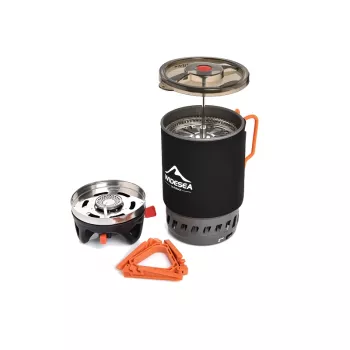
To practice the “value beyond price” mindset, try running the same checks on any category—whether it’s a bigger purchase like the modern nightstand with hidden gun drawer, USB Type‑C charging, and LED sensor light or something more gear-focused like the portable camping cooking system with heat exchanger and gas stove. Different products, same math: baseline price evidence, true total cost, and risk (returns/warranty).
FAQ
How can a discount be misleading even if the price is lower than yesterday?
A price can be “lower than yesterday” and still be higher than the item’s normal market price if the seller raised it right before the sale. Inflated reference prices and short-term price hikes can make a drop look meaningful without delivering real savings.
What is the fastest way to tell if a deal is worth it?
Do a three-step check: confirm a baseline price using at least one outside reference, compute the true total cost including shipping/fees, and verify you’re comparing the exact model (or the unit price for multipacks and consumables).
Do coupons and promo codes always mean better value?
No—coupons can be limited by exclusions, minimum spend requirements, and stacking rules, and shipping charges can erase the savings. Some promotions also distract from a higher baseline price, so it’s still essential to verify what the item typically sells for.















Leave a comment