
12.5L Waterproof Saddle Bag: Reflective, Rack-Free Storage
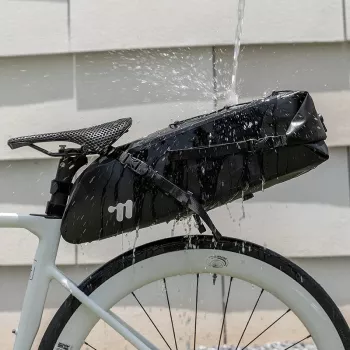
Waterproof 12.5L Bicycle Saddle Bag with Reflective Safety Design: Big Storage Without a Rack
A large saddle bag can turn a bike into a practical commuter and weekend-touring setup—without adding racks or panniers. This waterproof 12.5L seat bag is built to carry bulkier essentials while adding reflective coverage for low-light riding, with a shape designed to sit securely under the saddle. For riders who want more capacity than a minimalist tool pouch but still want a streamlined bike, a large seat bag is a simple upgrade that stays out of the way until you need it.
What This Saddle Bag Is Designed For
A 12.5L saddle bag is made for rides where “just the basics” isn’t enough. Instead of stuffing pockets or strapping items to the top tube, it keeps a bigger load tucked behind and under the saddle—helping the bike remain nimble while you carry what you actually use.
- Carrying a full day’s essentials: layers, food, tools, and compact accessories
- Staying organized on mixed rides where weather can change quickly
- Improving visibility with reflective elements placed on the rear-facing surfaces
- Keeping load weight centered under the saddle to reduce side-to-side sway compared with hanging bags
If you’re building a practical kit, start with the Waterproof 12.5L Large Capacity Bicycle Saddle Bag with Reflective Safety Design and dial in your packing so the bag stays stable on rough pavement and quick accelerations.
Capacity and Packing Ideas for 12.5L
At 12.5L, you can carry ride insurance (repair essentials), comfort items (extra layers), and enough food for longer outings. The trick is to load it so heavy items don’t bounce and soft items stay easy to access.
- Typical loadout: mini pump or CO₂ inflator, multitool, spare tube, tire levers, patch kit, small first-aid kit
- Weather layer strategy: packable rain jacket or arm warmers on top for quick access
- Ride nutrition: snacks in a small pouch to prevent crushing and to keep crumbs contained
- Electronics: power bank and cable in a zip pouch; keep away from sharp tools
- Stability tip: place the densest items closest to the seatpost end to reduce tail wag
| Zone in Bag | Best Items | Why It Works |
|---|---|---|
| Closest to seatpost | Tools, tube, pump | Keeps weight centered and stable |
| Middle | Food, small accessories | Balances weight without crushing fragile items |
| Top/outer layer | Jacket, gloves, light layer | Fast access during weather changes |
| Small pouch/inner pocket (if used) | Keys, cards, power bank | Reduces rattle and protects valuables |
Waterproof Protection: What to Expect
“Waterproof” matters most when the roads are wet and the spray is constant. Waterproof materials help keep contents dry through rain, road spray, and puddle splash, but real-world performance depends on details such as how the opening seals and how water sheds off the bag during a long ride.
- Seams and closures matter: roll-top styles and well-fitted zippers typically outperform loose openings
- Best practice: place electronics in a secondary dry pouch on very wet rides
- After-rain care: wipe down and let it air dry to prevent trapped moisture and odors
For safety and maintenance basics around riding in traffic and changing conditions, review guidance from NHTSA’s bicycle safety resources.
Reflective Safety Design for Low-Light Riding
Rear-facing reflective zones are one of the simplest upgrades for dawn, dusk, and nighttime riding. Reflective panels increase visibility to approaching traffic from behind and at angles—especially when headlights hit them directly.
- Works best when paired with an active rear light; reflective elements enhance the light’s effectiveness
- Keep reflective surfaces clean—dirt and road film can reduce reflectivity over time
- Position the bag so reflective zones face directly rearward and aren’t blocked by a jacket or straps
For a quick overview of reflector requirements and safety basics, see the CPSC bicycle requirements. If you want extra visibility options beyond reflectors, products like radar-integrated rear lights offer additional awareness (context at Garmin’s cycling radar overview).
Fit and Mounting Considerations
A large saddle bag is only as good as its stability. Before buying or mounting, confirm you have enough clearance and that your attachment points are compatible with your bike’s setup.
Everyday Use: Commuting, Fitness Rides, and Light Touring
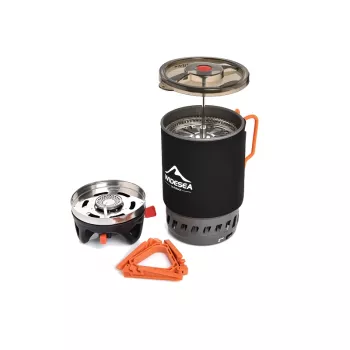
For riders who mix cycling with outdoors overnights, pairing your bike storage with compact camp cooking gear can stretch what “light touring” means. If you’re building a dual-purpose setup, consider adding the Portable Camping Cooking System with Heat Exchanger and Gas Stove for off-bike meals at camp or trailheads.
Care, Cleaning, and Longevity
Product Snapshot
| Detail | What to Check | Why It Matters |
|---|---|---|
| Capacity | 12.5L | Determines what fits without overstuffing |
| Weather protection | Waterproof construction | Helps keep gear dry in rain and spray |
| Visibility | Reflective elements | Enhances safety in low-light conditions |
| Mounting | Straps/attachments to rails and seatpost | Affects stability and ease of installation |
FAQ
Will a 12.5L saddle bag fit on a road bike without rubbing the tire?
It can, but clearance is the deciding factor. Set your saddle height for riding, then measure the gap between the rear tire and where the bag will sit (and account for larger tires, fenders, or any frame flex). Packing heavier items forward and tightening straps to reduce sag also helps prevent rubbing.
How waterproof are waterproof saddle bags in heavy rain?
Waterproof materials do a lot, but seams and closures determine how well a bag holds up in prolonged downpours and road spray. For extreme wet rides, place electronics in a secondary dry pouch and dry the bag out afterward to prevent trapped moisture.
Do reflective panels replace a rear bike light?
No. Reflective panels boost passive visibility when illuminated by car headlights, but an active rear light is still recommended for the best visibility and to align with many local riding rules.














Leave a comment