Windproof Cycling Handlebar Mitts: Warm Hands, More Control
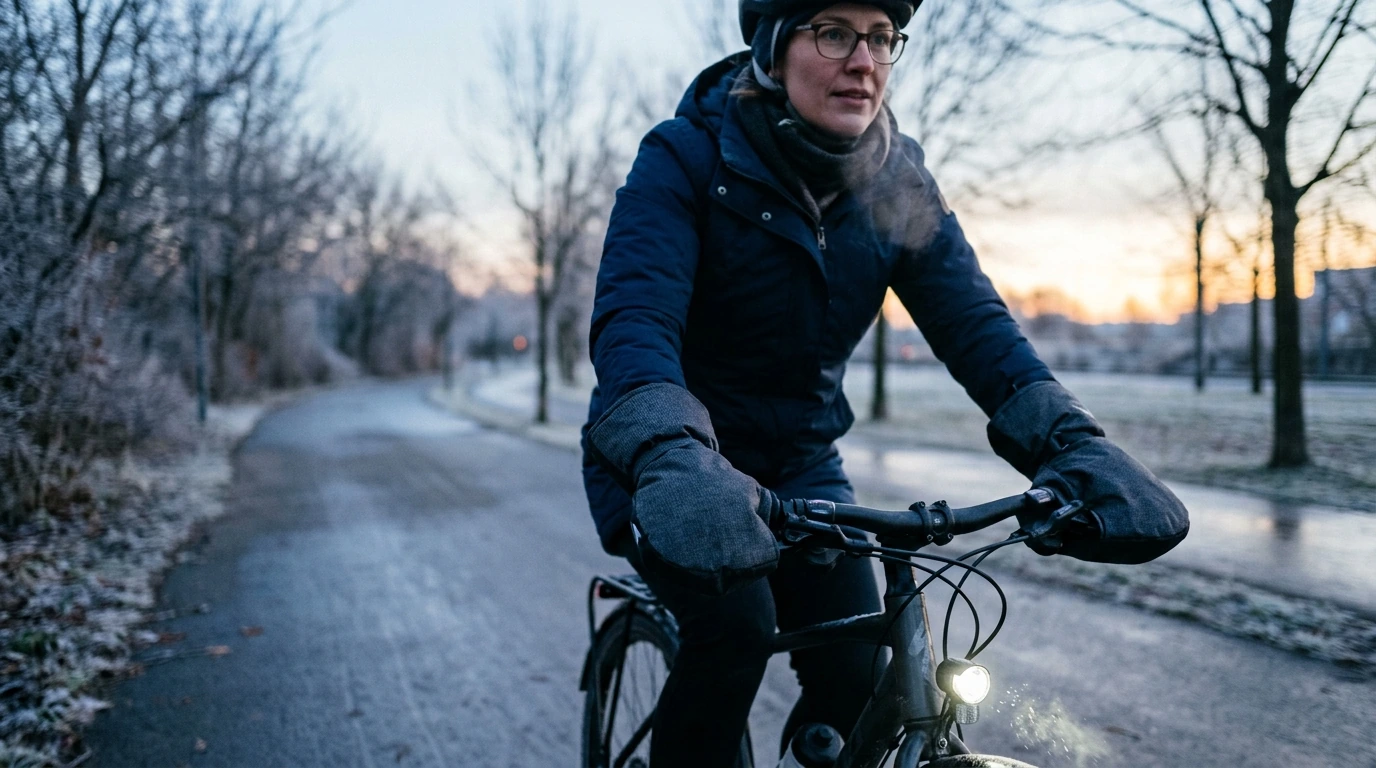
Cold wind on the bars can numb fingers fast, making shifting and braking harder than it should be. Handlebar mitts (also called pogies) create a warm pocket around the grips so hands stay protected while controls remain easy to reach—especially for winter commuting, early-morning rides, and long, steady miles in chilly conditions.
What handlebar mitts do (and why they feel warmer than gloves alone)
Handlebar mitts work differently than gloves because they protect your hands where the cold hits hardest: the moving air. Instead of relying only on insulation wrapped tightly around fingers, mitts create a small sheltered “microclimate” around your grips and levers.
- Create a sheltered air space around grips and levers, reducing wind chill directly on hands.
- Let lighter gloves work better because the mitt blocks the wind before it reaches your fingers.
- Support safer braking and shifting by helping hands stay responsive and reducing stiffness.
- Reduce the need to stop mid-ride to warm hands, especially on longer, steady rides.
Wind chill can make moderate temperatures feel much colder at riding speeds. Checking a National Weather Service wind chill chart can help explain why hands go numb so quickly on descents and open flats.
Key features to look for in windproof thermal bar mitts
Not all bar mitts feel the same on the road. The best option depends on speed, humidity, and how often you need quick access at stoplights.
- Windproof outer layer: the biggest difference-maker for comfort on descents and fast flats.
- Thermal lining: helps retain heat without requiring bulky gloves.
- Cuff design: a snug opening helps seal out drafts; a wider opening can improve quick hand entry/exit.
- Water resistance: useful for slush, light rain, and spray from the road; fully waterproof materials are best for persistent wet weather.
- Reflective details: adds visibility for dawn/dusk commuting.
- Structure and stability: a mitt that holds its shape is easier to re-enter quickly at stops.
- Compatibility: ensure clearance for brake/shift levers and enough room for your glove thickness.
For cold rides, heat loss can happen quickly once hands are wet or sweaty. The CDC’s overview of cold stress is a useful reminder that staying dry matters almost as much as staying insulated.
Compatibility check: flat bars, drop bars, and e-bike controls
A great pair of mitts should feel “invisible” once mounted: no rubbing, no lever interference, and no awkward angles when you reach for the brakes.
- Flat/commuter bars: typically easiest fit; check space around trigger shifters and brake levers.
- Drop bars: require mitts designed for hoods/drops geometry; confirm access to brakes from the hood position.
- Hydraulic vs. mechanical levers: verify the mitt doesn’t press on the lever and accidentally drag brakes.
- E-bike displays and throttles: confirm there’s enough room and that cables can route cleanly without kinks.
- Bar-end mirrors or accessories: plan placement so the mitt opening and mounting points stay unobstructed.
If you run a bigger winter glove, choose mitts with enough internal volume so insulation doesn’t get compressed (compressed insulation loses warmth and can reduce dexterity).
Quick setup and daily use tips
Handlebar mitts are popular with commuters because they’re “set it and forget it”—but small setup tweaks can make them noticeably easier to live with.
- Test fit indoors first: confirm full lever travel and comfortable hand entry/exit before riding.
- Angle the opening: a slightly upward-facing opening helps block rain and makes re-entry easier at stoplights.
- Pairing gloves: start with thin liners, then add light insulated gloves only if needed—avoid over-bulky gloves that reduce dexterity.
- Moisture management: if hands sweat, use breathable liners and take short breaks to vent; damp insulation loses warmth.
- Night visibility: if riding in low light, add reflective tape to the mitts or ensure your lights illuminate the side profile.
For a simple way to think about layers (including liners), REI’s guide to cold-weather layering basics can help you balance warmth and sweat control.
Choosing the right warmth level for your rides
Gloves vs. handlebar mitts: practical differences
| Option | Best for | Pros | Watch-outs |
|---|---|---|---|
| Insulated winter gloves | Short rides, mild-to-cold days | Simple, no bike setup | Can get bulky; wind chill still hits fingers |
| Liner gloves + windproof handlebar mitts | Cold, windy commutes and longer rides | Great wind protection; better dexterity with thinner gloves | Needs compatibility with your bars/levers |
| Heated gloves | Very cold rides or circulation issues | Adjustable warmth | Battery management; can be expensive |
Product spotlight: Cycling Handlebar Mitts – Windproof Thermal Bike Hand Covers
If your hands go numb mostly from wind exposure (even with “good” gloves), a bar-mitt setup is often the fastest upgrade in comfort per dollar. Cycling Handlebar Mitts – Windproof Thermal Bike Hand Covers are designed to block cold wind at the bars while keeping hands warmer and more responsive for braking and shifting.
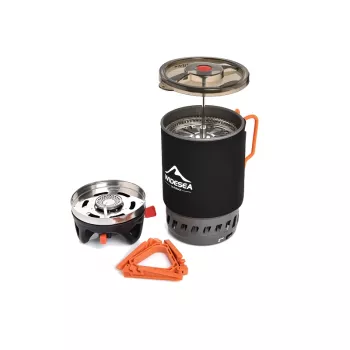
For riders pairing cold-weather cycling with other outdoor plans, you may also want to keep a compact stove system on hand for post-ride warm-ups or winter adventures: portable camping cooking system with heat exchanger and gas stove.
Care, storage, and longevity
FAQ
Do handlebar mitts work better than thick winter gloves?
Often, yes—because mitts block wind at the source, which is what usually robs warmth fastest while riding. With wind managed, many riders can use thinner gloves for better dexterity, while thick gloves can still feel cold if wind penetrates or insulation gets compressed.
Will handlebar mitts interfere with braking or shifting?
A properly fitted set should allow full lever travel and easy hand entry/exit without rubbing. It’s best to test indoors first, confirming clearance for levers, cables, and any bar-mounted accessories before your first ride.
What gloves should be worn inside windproof bar mitts?
Start with liner gloves, then move to light insulated gloves only if temperatures demand it. Prioritize moisture control—overly bulky gloves can reduce control feel, and damp insulation won’t stay warm for long.















Leave a comment