Ultralight Hydration Backpack: Run, Ride & Hike Comfort
Ultralight Hydration Backpack for Cycling, Running & Hiking
An ultralight hydration backpack keeps water, essentials, and fuel close without slowing movement or throwing off balance. The right fit and reservoir setup can reduce bounce on runs, stay stable on rides, and remain comfortable on long hikes—especially when temperatures rise and refills are spaced out. Whether you’re chasing a PR, rolling gravel miles, or knocking out a ridge loop, a streamlined pack helps you drink consistently and move efficiently.
What Makes an Ultralight Hydration Backpack Feel Effortless
The best ultralight hydration packs “disappear” once you start moving. That comes down to design details that reduce sway, manage heat, and keep essentials accessible without forcing constant stops.
- Low-profile shape that hugs the torso to reduce sway during running and technical hiking.
- Breathable back panel and shoulder straps to limit heat buildup and sweat soak-through.
- Smart pocket layout for quick-access items (phone, keys, gels, small tools) without stopping.
- Lightweight materials that still resist abrasion from trail brush and repeated use.
- Adjustable sternum/side straps to fine-tune stability across different activities.
Fit and Stability: The Difference Between Comfort and Chafing
A hydration pack can have great materials and still feel miserable if it rides low or shifts with every stride. Dialing in fit is the fastest way to prevent rubbing and hot spots.
- Choose a size/adjustment range that keeps the pack high on the back; a sagging load increases bounce.
- Look for multiple adjustment points (sternum strap and side compression) to lock the pack in place.
- Prioritize soft edges and smooth seams where straps contact the neck and underarm area.
- For running, a closer-to-body fit and wider strap contact area can reduce pressure points.
- For cycling, ensure the pack doesn’t interfere with helmet clearance when in an aggressive riding position.
Practical tip: tighten the pack while standing tall, then take a few deep breaths. You want stable contact without restricting chest expansion. If you feel your shoulders lifting to “hold” the load up, the pack is riding too low or needs more compression.
Hydration System Basics: Reservoir Capacity, Hose Routing, and Refills
Hydration packs are only as good as their drinking experience. A solid bladder setup makes it easy to sip early and often, which can be more effective than waiting until you’re thirsty. The American College of Sports Medicine notes that fluid needs vary widely by person and conditions, so flexibility matters.
- Match capacity to activity length and refill opportunities; shorter efforts may favor lighter carry.
- Check hose routing and bite valve placement so sipping is easy while moving.
- Consider refill convenience: wide-mouth openings are easier to clean and add ice.
- Inspect closure type (slider/top-seal) and tube connections to reduce leak risk.
- Cleaning routine matters: frequent rinsing and full drying help prevent odor and taste buildup.
Quick Match Guide for Cycling, Running, and Hiking
| Use case | Best-fit priorities | Pocket needs | Hydration notes |
|---|---|---|---|
| Cycling (road/gravel) | Low profile; stable under wind; helmet clearance | Mini pump/CO2, tire levers, multitool, phone | Easy hose access; avoid hose flapping; consider routing clips |
| Running (road/trail) | Anti-bounce fit; soft strap edges; minimal bulk | Gels/chews, phone, small first-aid, light layer | Quick sips; minimal slosh; secure valve to prevent dripping |
| Hiking (day hikes) | Ventilation; comfortable straps; room for layers | Snacks, map/headlamp, sunscreen, compact rain shell | Capacity based on heat/refill points; consider bringing a small filter |
If you’re unsure how much to carry, start with enough water for your longest “dry” segment, then adjust after a few outings. For general hydration guidance, the CDC’s overview of water intake is a helpful baseline—then layer in your sweat rate and the day’s heat.
Storage and Organization That Actually Helps on the Move
For hiking, pair your pocket strategy with smart planning so you’re not forced to unpack on exposed ridges or in sudden rain. The Leave No Trace planning guidance is a solid reminder that preparation is part of safety.
Comfort in Heat: Breathability, Weight Distribution, and Hot Spots
Safety and Practical Extras Worth Having
Featured Option: Ultralight Hydration Backpack for Cycling, Running & Hiking
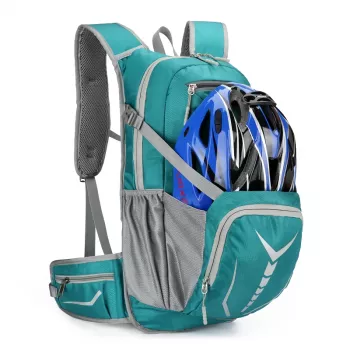
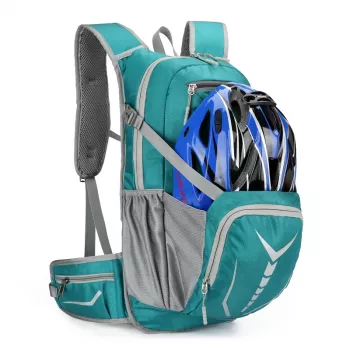
If you want one pack that can rotate between training runs, rides, and warm-weather hikes, start with a multi-sport design built around a stable, low-bulk carry. The Ultralight Hydration Backpack for Cycling, Running & Hiking is designed for multi-sport use where low weight and stable fit matter across cycling, running, and hiking. A streamlined form factor helps reduce bounce and keeps essentials close to the body, making it a practical choice for day adventures, training sessions, and travel where a compact hydration setup is preferred.
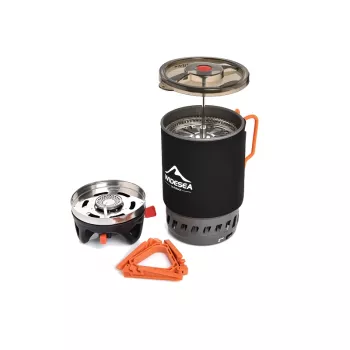
For longer outings where hot meals or quick boils matter, pair your hydration setup with compact cooking gear like the Portable Camping Cooking System with Heat Exchanger and Gas Stove to keep stops efficient and pack space under control.
FAQ
How much water should a hydration backpack carry for a long workout or day hike?
A common starting range is about 1.5–3 liters, depending on duration, temperature, and how often you can refill. Aim to carry enough for your longest stretch without reliable water access, then adjust after a few trips based on how much you actually finish.
How can a hydration bladder be cleaned to prevent bad taste or odor?
Rinse the reservoir, tube, and bite valve after each use, and let everything dry fully with the bladder propped open. Occasionally use mild soap or cleaning tablets, and scrub the bite valve and tube connections where buildup tends to collect.
Why does a hydration pack bounce when running, and how is it fixed?
Bounce usually comes from a low-riding pack, loose sternum/side straps, or a shifting reservoir. Tighten the pack so it sits higher, use compression to keep the bladder from sloshing, and distribute gear evenly so the load stays close to your back.













Leave a comment