Fruit Fly Trap Kit: Placement, Care & Fast Results
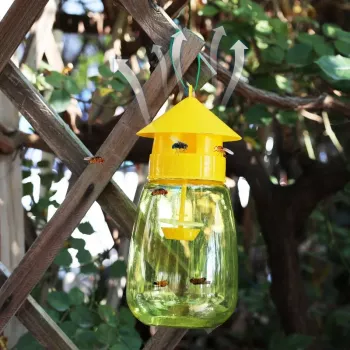
Fruit Fly Trap & Attractant Kit – Plastic Garden Pest Control Catcher
Fruit flies and other small nuisance insects can multiply quickly around ripening produce, compost areas, patios, and garden beds. A dedicated trap and attractant kit offers a tidy, low-effort way to reduce fly activity by luring insects into a contained catcher that’s easy to monitor and refresh. When placed where flies are most active—and paired with basic cleanup habits—traps can help take the edge off daily hovering, especially during warm months when life cycles speed up.
What this kit is designed to do
- Targets common small flying pests that gather near fruiting plants, outdoor trash, compost, and food-prep areas.
- Uses an attractant to draw insects toward the catcher, helping reduce hovering and breeding pressure.
- Provides a contained, less-mess approach compared with open bowls or improvised DIY solutions.
- Works best as part of a broader cleanup routine: removing overripe fruit, rinsing recyclables, and keeping bins closed.
For deeper background on fruit fly behavior and control strategies, guidance from University of California IPM is a helpful reference. For general prevention practices around the home, the CDC also provides practical tips on reducing pest attractants.
At-a-glance details
- Plastic catcher body intended for repeated use.
- Attractant component helps concentrate insects into the trap zone.
- Compact size makes it practical for patio tables, greenhouse corners, near planters, or by compost caddies (where appropriate).
Quick reference: kit highlights
| Feature | Why it matters | Best-use locations |
|---|---|---|
| Plastic catcher design | Lightweight and easy to place, move, and clean | Patio, balcony planters, greenhouse shelves |
| Attractant-based lure | Pulls flies toward a single spot for better capture consistency | Near fruiting plants, compost zones, waste/recycling areas |
| Contained trapping | Helps reduce spills and odors compared with open bait cups | Indoor-outdoor transition areas, mudroom, covered porch |
| Refreshable setup | Allows ongoing control during peak seasons | Warm months, harvest periods, kitchens with produce bowls |
Where traps make the biggest difference
- Near fruit trees, berry bushes, grape vines, or garden beds with ripening produce (avoid placing directly on plants—place nearby).
- Around compost bins and kitchen scrap containers where fermentation odors attract flies.
- Close to outdoor trash and recycling stations (after rinsing containers to reduce competing odors).
- In greenhouses or sunrooms where warm temperatures accelerate insect life cycles.
- Along windowsills or entry points where small flies congregate.
Placement is often the deciding factor. If flies are gathering in two separate zones—say, a compost caddy and a patio fruit bowl—two smaller placements usually perform better than one trap placed “in the middle” of both problems.
How the attractant-and-catcher approach works
- Attractant scents mimic fermentation cues that draw fruit flies and similar nuisance insects.
- The catcher provides a defined entry/collection area, increasing the chance insects remain contained.
- Placement and competing smells determine results: remove alternative food sources for faster improvement.
- Multiple light-infestation hotspots are often better handled with multiple traps spaced out rather than one trap in a central location.
Think of a trap as a “magnet” with a limited range. If stronger odors are nearby—sticky recycling, a forgotten onion, or a damp mop head—the trap may be ignored. Reducing those competing attractants typically makes captures climb within a day or two.
Setup and placement steps
- Choose a spot with consistent fly activity: near ripening fruit, compost, or a frequently used door/window area.
- Keep traps out of direct rain and heavy sprinkler spray to avoid diluting the attractant.
- Place at counter-height indoors or near the source outdoors; avoid very windy corners that disperse scent.
- Allow time for the lure plume to build—check after several hours, then again daily during the first few days.
- If activity remains high, add a second trap closer to the strongest source instead of moving the original repeatedly.
If you’re dealing with garden-related nuisance flies, monitoring resources from Penn State Extension can also be useful for understanding seasonal pressure and monitoring approaches.
Care, refresh schedule, and cleanup
- Inspect regularly during warm periods when insect turnover is fastest.
- Refresh or replace the attractant as recommended by the kit directions, or sooner if diluted/contaminated.
- Clean the catcher between refills to reduce residue buildup and maintain consistent performance.
- Wash hands after handling traps and keep away from food preparation surfaces unless the product instructions explicitly allow that placement.
A quick rinse and wipe during each refresh helps prevent residue that can reduce performance over time. Outdoors, keeping the area under and around the trap clean also discourages ants or other scavengers from investigating spilled attractant.
Troubleshooting common issues
Good practices for households, pets, and beneficial insects
Products in stock
- Fruit Fly Trap & Attractant Kit – Plastic Garden Pest Control Catcher (USD 9.67): compact, reusable catcher paired with an attractant for focused nuisance-fly control in garden and home-adjacent areas.
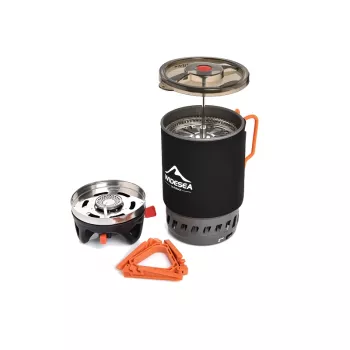
- portable-camping-cooking-system-with-heat-exchanger-and-gas-stove (USD 56.82): a convenient add-on for outdoor setups where keeping food and waste contained can help reduce pest attraction.
FAQ
How long does it take to notice fewer fruit flies?
Many households notice improvement within 24–72 hours when traps are placed close to the source and competing food or odor sources are removed. Heavier infestations often take longer and may require multiple traps plus stricter cleanup.
Where should a fruit fly trap be placed for best results?
Place it near the strongest activity—ripening produce, compost, trash/recycling, or a drain/entry point—while keeping it out of rain and strong wind. Avoid positioning it directly in flowering areas where pollinators are active.
Do traps replace cleaning and sanitation?
No. Traps reduce adult fly activity, but removing breeding sources (overripe fruit, sticky residue, moist organic buildup) is what prevents rebound and keeps populations from reestablishing.














Leave a comment