

Twin Over Twin Bunk Bed w/ Slide: Safety & Fit Guide
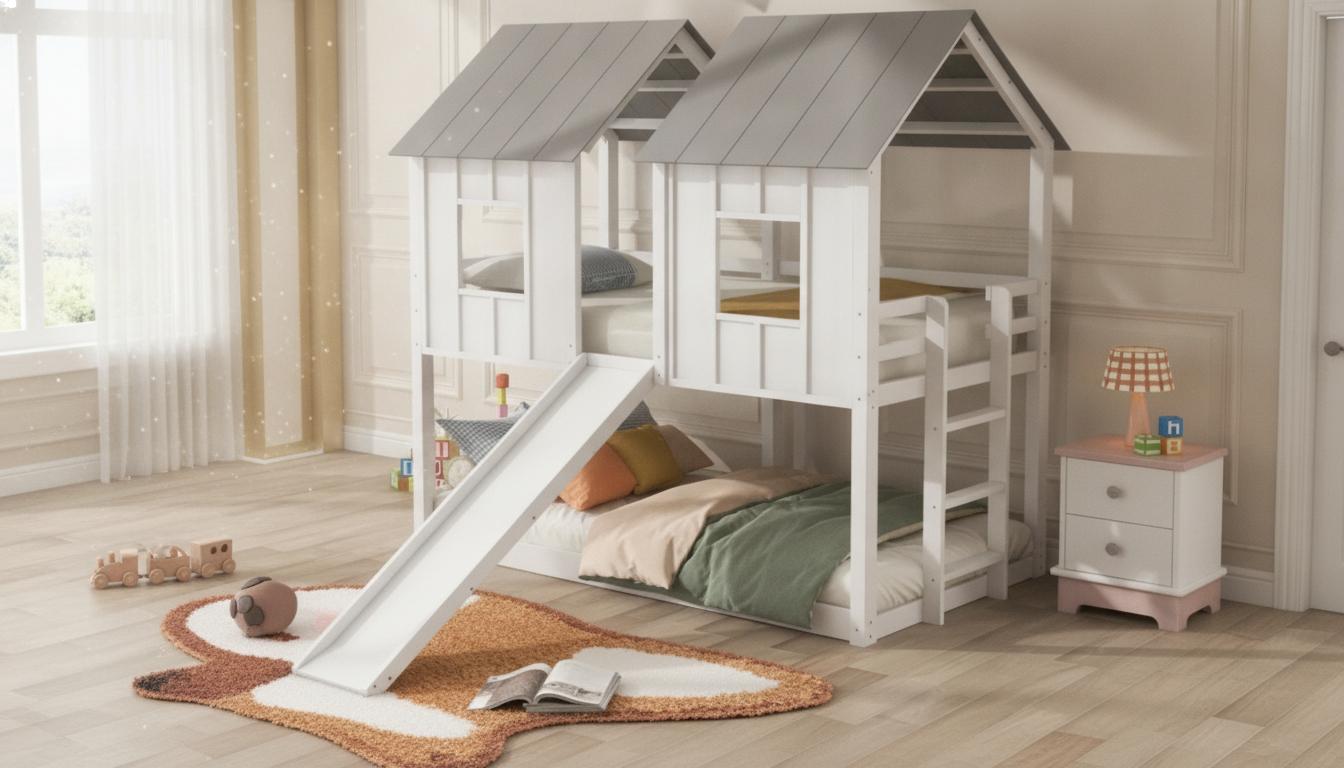
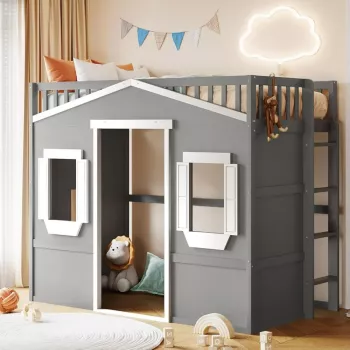
Twin Over Twin Bunk Bed with Slide and Ladder: Space-Smart Sleep and Play for Kids’ Rooms
A twin over twin bunk bed with a slide and ladder blends two sleep spaces into one vertical footprint—then adds a built-in “fun factor” that can make the daily routine smoother for kids and parents. It’s a practical choice for shared bedrooms, sleepovers, or any room where you want to protect open floor space for play, storage, or study. Below are the key planning, safety, and comfort details to review before ordering and setting one up at home.
Why This Bed Style Works So Well
- More usable floor space: Two twin beds stacked leaves extra room for a play zone, toy storage, or a compact desk.
- The slide can reduce bedtime friction: When the bed feels like a feature—not just furniture—kids often transition more easily into bedtime and morning routines.
- Ladder access is efficient: A ladder uses less room than stairs, which helps in tighter layouts.
- One cohesive centerpiece: The bunk, ladder, and slide create a unified look that can carry a bedroom theme without needing lots of extra furniture.
At-a-Glance Product Details
- Designed for two twin-size sleep surfaces
- Includes both a ladder and a slide for access and play
- Confirm included hardware, finish details, and lead times on the product page
Quick Specs Checklist (Confirm Before Ordering)
| Detail | What to verify | Why it matters |
|---|---|---|
| Overall footprint | Length/width including slide extension | Ensures the bed fits without blocking doors, closets, or drawers |
| Ceiling clearance | Distance from top bunk mattress surface to ceiling | Helps prevent head bumps and improves comfort |
| Guardrails | Full-length guardrails on the top bunk | Reduces fall risk during sleep |
| Ladder/slide placement | Reversible or fixed orientation | Allows layout flexibility for left/right room configurations |
| Weight limits | Per-bunk maximum recommended load | Supports safe daily use as kids grow |
| Mattress thickness | Maximum allowed thickness for top bunk | Keeps guardrail height effective |
Safety Essentials Parents Should Prioritize
- Top bunk age guidance: Common recommendations place children under 6 on the lower bunk, with older kids on top.
- Guardrails matter: Use guardrails on both sides of the top bunk and confirm any openings align safely with the ladder entry.
- Match the mattress thickness to the frame: A mattress that’s too thick can reduce effective guardrail height and compromise safety.
- Keep the slide landing zone clear: Remove hard toys and sharp-edged items from the runout; a soft rug or foam mat can add cushioning.
- Re-check hardware after setup: Tighten bolts after initial assembly and again periodically—especially after the first couple of weeks of use.
- Avoid hanging heavy items from guardrails: Bags, ropes, or cords can create entanglement hazards and should be stored elsewhere.
For broader bunk bed safety guidance, review recommendations from the U.S. Consumer Product Safety Commission (CPSC) and check the ASTM F1427 bunk bed safety specification for what reputable designs are typically built to address.
Measuring the Room: Fit, Flow, and Daily Use
- Trace the footprint first: Use painter’s tape to outline the bunk and the slide extension so you can “feel” the walkway space before the bed arrives.
- Plan for making the beds: Leave enough room along at least one side of the lower bunk so bedding changes don’t become a weekly struggle.
- Respect door and drawer swing paths: A slide placed in front of a closet or dresser can turn daily routines into an obstacle course.
- Add practical night lighting: A plug-in night light or motion light helps kids see the ladder clearly without fully waking the room.
- Control clutter near the ladder/slide: Decide where pajamas, blankets, and bedtime books will live so the “traffic lane” stays clear.
Materials, Finish, and Durability Considerations
- Wood vs. engineered wood: Solid wood often signals sturdiness and long-term resilience, while quality engineered wood can be stable and cost-efficient when well-designed.
- Inspect key stress points: Look for smooth edges, a consistent finish, and robust fasteners where rails meet posts and where the ladder and slide attach.
- For metal frames: Check for clean welds and rigid joints that don’t flex during normal climbing and movement.
- Consider indoor air quality: Low-VOC finishes are a plus, especially in smaller rooms or for children with sensitivities.
Slide and Ladder Design: What Makes It Comfortable
Assembly and Placement Tips
Making It Work Day-to-Day
Twin Over Twin Bunk Bed with Slide and Ladder (In Stock)
If you’re ready to combine sleep space and built-in play in one piece, the Twin Over Twin Bunk Bed with Slide and Ladder is a ready-to-ship option for shared rooms and frequent sleepovers. Confirm current pricing, shipping estimates, and any included accessories on the product page before ordering.
To round out the room without adding clutter, consider a vertical accent like a Full-Length Floor Mirror with Stand (helpful for getting dressed and reflecting light) or a low-maintenance décor piece like an Artificial Boxwood Spiral Topiary Plant for a polished corner finish.
FAQ
What age is appropriate for the top bunk?
Most safety guidance recommends the top bunk for children ages 6 and up, with younger kids using the lower bunk. Keep guardrails in place and reinforce safe ladder habits, especially during the first few weeks.
How much ceiling clearance is needed for the top bunk?
Measure from the top mattress surface to the ceiling and aim for enough room for a child to sit up comfortably without bumping their head. The exact amount varies by bed height and the child’s size, so confirm with your room measurements before buying.
Can the slide and ladder be installed on either side?
It depends on the specific model—some are reversible while others have a fixed orientation. Verify placement options on the product details and plan around doors, closets, and the room’s main walkway.













Leave a comment