12.7mm Static Rope Guide: 125–200ft, 32kN Rated
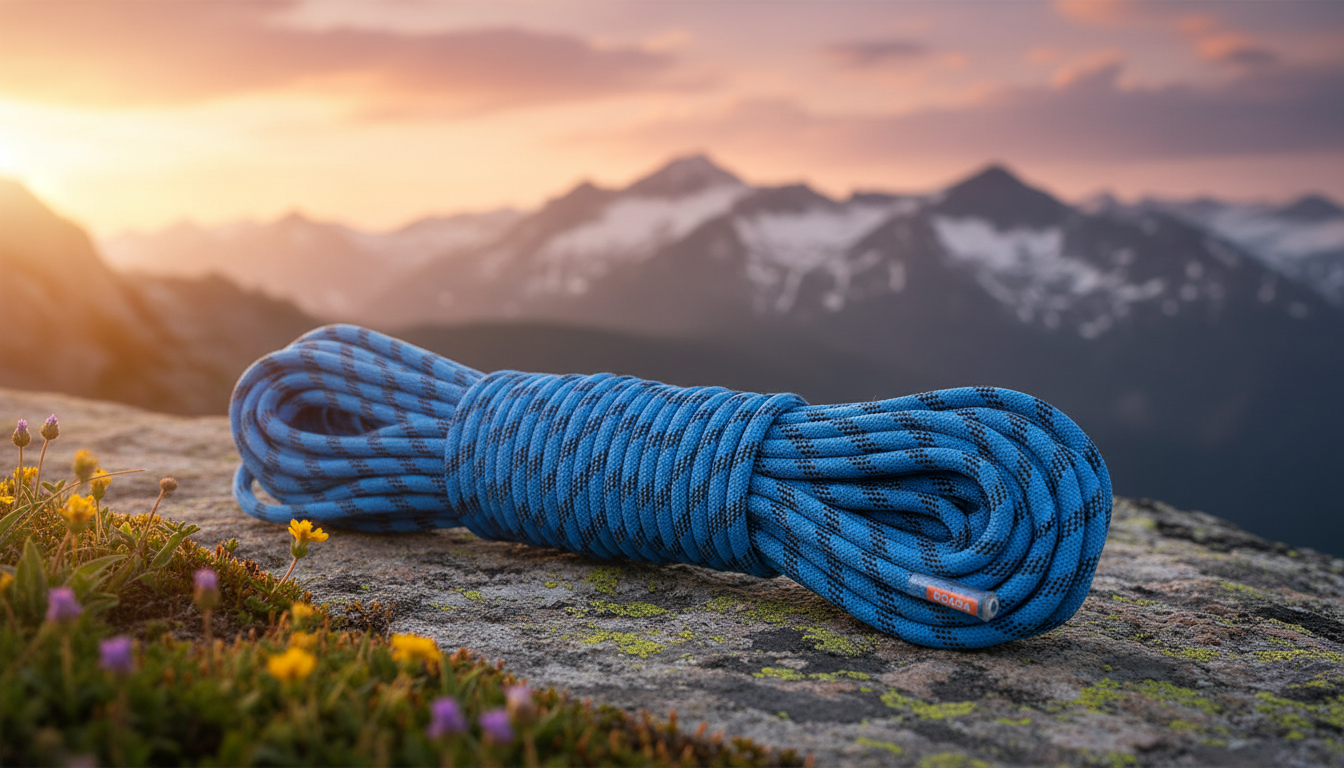
12.7mm Static Climbing Rope (125/150/200ft) with 32kN Strength for Outdoor Work and Rescue
A static rope is built for low-stretch control when the job is hauling, rappelling on a fixed line, setting anchors, or moving gear—rather than catching dynamic falls. This 12.7mm static climbing rope is offered in 125ft, 150ft, and 200ft lengths with a listed 32kN strength, aiming for dependable handling in outdoor, rescue, and general rigging scenarios where stability matters. For more guidance, see A study of personal fall-safety equipment.
What a 12.7mm static rope is designed to do
Static (low-stretch) ropes are chosen for predictable movement and efficient force transfer. When the line is fixed and the goal is controlled travel—up, down, or sideways—low elongation helps keep systems tidy and reduces bounce. For further reading, see H. E. BUTT FOUNDATION HIGH ROPES PROGRAM.
- Prioritizes low elongation for predictable movement on rappel, ascent, or hauling systems.
- Useful for fixed lines, top-rope access lines (when appropriate to your system), equipment hauling, and backcountry rigging tasks.
- Thicker diameter (12.7mm) tends to improve grip and abrasion tolerance, especially with gloves or in gritty environments.
- Not intended to be used as a lead-climbing rope where dynamic fall absorption is required.
For background on rope categories and common use cases, consult authoritative guidance such as the UIAA Safety Standards and manufacturer education resources like Petzl’s rope selection and basics.
Key specs to check before choosing length and diameter
“Strong” on paper doesn’t automatically mean “right” in a working system. Device compatibility, rope management, and edge protection often matter just as much as the headline rating.
- Diameter: 12.7mm can feel more secure in hand and may run better through devices rated for larger ropes; confirm device compatibility ranges.
- Length options: 125ft for shorter drops and compact kits; 150ft for more flexibility; 200ft for taller trees, cliffs, or rescue scenarios with extra tail for knots.
- Strength rating: a listed 32kN indicates high tensile capability in ideal conditions; real-world system strength depends on knots, bends, hardware, edge protection, and wear.
- Construction and sheath: a tougher sheath generally improves abrasion resistance; inspect for tightness, fuzzing, or glazing after use.
- Stretch/elongation: static ropes still stretch some; lower elongation improves efficiency in hauling and reduces bounce on access lines.
Quick selection guide for 125ft vs 150ft vs 200ft
| Length | Best for | Trade-offs |
|---|---|---|
| 125ft | Short rappels, backyard/tree setups, compact emergency kits | Less margin for knots, redirects, and unexpected route changes |
| 150ft | General-purpose outdoor use, moderate drops, more anchor flexibility | Slightly heavier and bulkier than 125ft |
| 200ft | Tall trees, longer drops, rescue/rigging with more working tail | Heaviest option; more rope management and storage space needed |
Where static ropes shine outdoors
In many outdoor and work-style setups, the rope is the “backbone” of a system that includes hardware, anchors, and edge management. A thicker static line can be a practical choice when you want a stable, controlled feel.
- Rappelling on a fixed line: low-bounce travel is often more comfortable and easier to control, especially with heavier loads—provided your device is rated for the rope diameter and rope type.
- Hauling packs or equipment: reduced stretch improves efficiency in mechanical advantage systems because energy goes into lifting rather than elongating the rope.
- Handlines and fixed lines: useful for short crossings, perimeter safety lines, and controlled movement in camp or work areas (with proper anchors and edge protection).
- Rescue training and controlled lowers/raises: stable positioning and predictable friction can support repeatable practice (follow local protocols and applicable standards such as NFPA 1983 where relevant).
Safety notes that matter more than the strength number
A 32kN label can look reassuring, but systems fail most often from mismatch, wear, sharp edges, and incorrect technique—not because the rope “wasn’t strong enough.”
- Use-case fit: a static rope is not a substitute for a certified dynamic lead rope; mixing roles can increase risk.
- System limits: knots, bends, and hitches can reduce strength significantly; include connector and anchor ratings in the plan.
- Edge protection: sharp edges and abrasion are common failure causes; use rope pads, rollers, or reroutes to reduce cutting risk.
- Compatibility: verify belay/descender/ascender compatibility with 12.7mm and the rope type; mismatches can cause slipping or excessive friction/heat.
- Inspection and retirement: retire rope after severe shock loads, core shots, chemical contamination, or when sheath damage becomes extensive.
Handling, storage, and care for longer rope life
Static ropes last longer—and run more smoothly—when they’re kept clean, dry, and protected from heat and abrasion. A little routine care also makes your next setup faster and more organized.
Product overview: 12.7mm Static Climbing Rope – 125/150/200ft with 32kN strength
In-stock picks
- 12.7mm Static Climbing Rope – 125/150/200ft Outdoor Rope with 32kN Strength
- Full-Length Floor Mirror with Stand (useful for checking harness fit, gear placement, and glove dexterity before heading out)
FAQ
Can a static rope be used for lead climbing?
No. Lead climbing requires a dynamic rope designed to absorb fall energy; static ropes are low-stretch and generally unsuitable for catching repeated lead falls.
What does 32kN strength mean in real use?
kN is a force rating measured under defined test conditions. Knots, bends, hardware limits, abrasion, and edge exposure can significantly reduce overall system strength, so plan around the full system—not the rope alone.
Which length is better: 125ft, 150ft, or 200ft?
Choose based on your expected drop plus extra for anchors, knots, and possible redirects. 125ft suits compact kits and shorter drops, 150ft is a flexible general-purpose length, and 200ft adds margin for taller trees, longer drops, and rescue-style setups.














Leave a comment