Hydrophobic Windshield Coating 70ml for Rain-Clear Driving
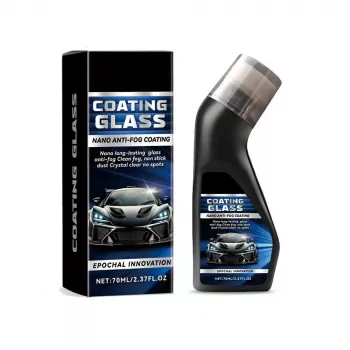
Hydrophobic Windshield Coating 70ml: Clearer Vision in Rain, Mist, and Road Spray
A hydrophobic windshield coating helps water bead up and roll away instead of clinging to glass. The result is improved visibility during rain, less smearing, and easier cleanup of bugs and road film. This guide explains what the coating does, when it helps most, how to apply it for a clear finish, and what to expect in everyday driving.
What a Hydrophobic Windshield Coating Does
A water-repellent coating changes how moisture behaves on the outside of your windshield. Rather than spreading into a wide, blurry film, droplets tighten into beads that are more likely to move off the glass with airflow or light wiper use.
- Creates a water-repellent layer so droplets form beads and slide off with airflow or minimal wiping
- Helps reduce the “sheeting” effect that can blur headlights and streetlights during heavy rain
- Makes it easier to remove insect residue, grime, and mineral spots during routine washing
- Can improve wiper performance by reducing drag and chatter (when glass and blades are in good condition)
- Works best as a visibility aid—still requires safe speed and functional wipers
For broader wet-weather safety tips, the NHTSA’s guidance on driving in rain is a helpful reminder that traction and stopping distance matter as much as visibility.
When It Makes the Biggest Difference
Not all wet conditions are equal. A coating’s benefits feel most dramatic when wind and spray are constantly re-wetting the glass.
- Highway rain and road spray: airflow helps beads move away at speed, reducing reliance on continuous wiping
- Night driving in wet weather: fewer lingering droplets can mean less light scatter and glare
- Cold mornings and light mist: moisture tends to cling; repellency helps it clear faster
- Bug season and pollen: a smoother surface can make residue less stubborn during wash downs
- Long trips: fewer “must-clean” stops when the glass is properly prepped and coated
How It Works: The Surface Science (Simple Version)
Windshield glass looks smooth, but it has microscopic texture. Add road oils, washer-fluid residue, wax overspray, and hard-water minerals, and water is more likely to spread and smear—especially when wipers sweep that film across the glass.
- Clean glass still has microscopic texture; contaminants increase wetting and streaking
- A hydrophobic layer lowers surface energy, so water prefers rounded droplets instead of spreading out
- Beading plus airflow equals faster clearing; wipers become a backup rather than the only solution
- Prep matters: leftover wax, silicone residues, or mineral spotting can block even bonding
For streak-prevention principles that translate well to windshield prep, InterNACHI’s glass cleaning tips are a solid reference.
Quick Comparison: Coating vs. Typical Glass Cleaner vs. Washer Fluid Additives
These products aren’t interchangeable. A hydrophobic coating is about repellency and easier clearing; cleaners focus on removing oils and haze; washer additives prioritize convenience while driving.
| Option | Main benefit | How long it lasts | Best use case |
|---|---|---|---|
| Hydrophobic windshield coating | Repels water; helps visibility and cleanup | Weeks to months (depends on prep, wiper use, weather) | Frequent rain driving; highway spray; easier washing |
| Standard glass cleaner | Removes oils and haze | Until next contamination | Interior haze; quick maintenance |
| Washer fluid / additive | Convenient cleaning while driving | Short-lived; varies widely | On-the-go bug and dust removal |
In practice, the most consistent results come from pairing: deep clean first, then apply the water-repellent layer on fully bare, dry glass.
How to Apply for a Streak-Free, Long-Lasting Result
Application is where most “it didn’t work” experiences come from. The goal is a thin, even layer on clean, cool glass, followed by a complete buff to clarity.
- Start with cool glass in the shade: hot windshields can flash-dry product and cause stubborn haze.
- Wash and decontaminate: remove road film, bug residue, and any waxy buildup; rinse thoroughly.
- Dry completely: leftover water can dilute product and lead to patchy bonding.
- Apply evenly: use a clean microfiber or applicator pad; overlap passes to cover the full windshield.
- Allow proper set time: follow label directions for hazing/curing before buffing.
- Buff to clarity: use a second clean microfiber towel to remove haze completely.
- Test with a light mist: water should bead uniformly; if it’s patchy, re-clean and reapply that area.
- Go easy on wipers at first: give the coating time to settle; make sure blades are clean and not cracked.
Common Mistakes That Reduce Performance
Care and Reapplication
Product Spotlight: Hydrophobic Windshield Coating 70ml
If you want a dedicated, purpose-built repellency layer, Hydrophobic Windshield Coating 70ml – Waterproof Car Windscreen Cleaner & Rainproofing Agent is sized for multiple applications depending on windshield size and technique.
More In-Stock Finds
- Full-Length Floor Mirror with Stand
- Artificial Boxwood Spiral Topiary Plant
- Twin Over Twin Bunk Bed with Slide and Ladder
FAQ
Can a hydrophobic windshield coating be used on interior glass?
Most formulas are intended for exterior glass, where airflow and weather exposure are expected. On interior glass, a water-repellent layer can increase haze or glare if it isn’t specifically designed for cabin use, so an interior glass cleaner is usually the better option.
How long does a windshield water-repellent coating last?
Longevity depends on prep, wiper abrasion, washing habits, weather, and road grit. Many drivers see results for weeks to months and reapply when beading becomes uneven or the visibility benefit fades.
Why is my windshield hazy or streaky after applying a coating?
Haze is commonly caused by overapplication, incomplete buffing, applying on hot glass, or leaving oils/mineral spots underneath. Deep clean the windshield, then reapply a thin, even layer and buff with fresh microfiber towels until fully clear.















Leave a comment