Portable Power Washer: Fast Rinses for Cars, Boats & Patios
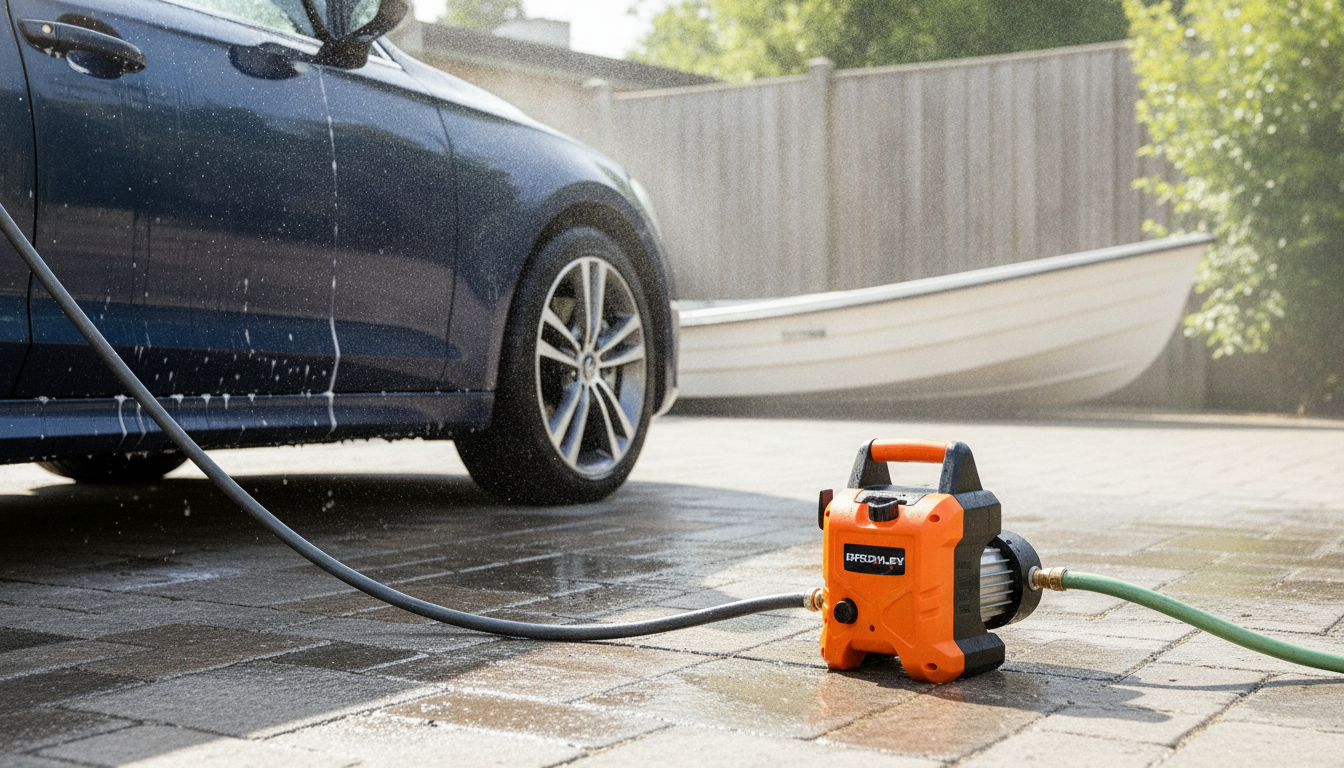
Portable Power Washer for Cars, Boats & Outdoor Cleaning
A portable power washer is a practical way to rinse road film, salt spray, and outdoor grime when a full-size pressure washer is inconvenient. Compact designs focus on mobility, quick setup, and versatile spray patterns—useful for car washes at home, cleaning a boat at the dock, or blasting dirt off patio furniture and steps without dragging heavy equipment around.
What a portable power washer is best at
- Quick rinse jobs: Loose dirt, dust, pollen, and light mud on vehicles, bikes, and outdoor gear.
- Targeted cleaning: Wheels, wheel wells, door jambs, boat rails, and non-skid deck areas where a hose struggles.
- Small outdoor spaces: Balconies, small patios, outdoor furniture, trash bins, and garden tools.
- Water-conscious workflows: Controlled spray plus short bursts instead of leaving a hose running (for broader water-efficiency tips, see EPA WaterSense).
Where it can replace a trip to the wash (and where it can’t)
- Great replacement for: Quick maintenance washes, pre-rinse before a contact wash, and post-trip rinses after beach or trail days.
- Sometimes enough for: Fresh bird droppings, light algae film on outdoor items, and rinsing salt off boat hardware.
- Not ideal for: Heavy paint prep, deep concrete restoration, or thick, bonded stains that typically need higher pressure, chemicals, and dwell time.
- Best results come from pairing: Proper cleaners, a wash mitt/brush, and rinsing before grime dries.
For boats and waterfront use, quick rinsing helps reduce buildup and supports cleaner waterways; NOAA’s overview on pollution prevention is a helpful reference: NOAA Ocean Service — Marine Debris and Pollution Prevention.
Common features to look for before buying
- Water source flexibility: Garden hose connection and/or siphon pickup from a bucket for places without a spigot.
- Nozzle options: Adjustable spray patterns or multiple tips to switch between rinse, fan spray, and more focused streams.
- Battery and charging: Realistic run time for a full rinse, plus convenient charging (USB or dedicated charger depending on model).
- Weight and grip: Comfortable handling for overhead rinses (roof racks, boat rails) without fatigue.
- Included accessories: Extension wand, foam bottle, filtering screen for bucket use, and quick-connect fittings.
Setup in minutes: a simple workflow for cars and boats
- Step 1 — Pre-check: Remove loose debris (leaves, sand) and close windows/hatches; avoid spraying directly into vents.
- Step 2 — Choose water source: Connect to a hose for continuous flow or use a clean bucket/tank for portable rinses.
- Step 3 — Select the right spray: Start wider for rinsing panels; use a narrower stream only on durable areas like tires and plastic liners.
- Step 4 — Work top-down: Rinse roof/rails first, then glass, then panels, then wheels last to avoid re-spraying grit upward.
- Step 5 — If using soap/foam: Apply, allow short dwell (don’t let it dry), then rinse thoroughly.
- Step 6 — Dry and protect: Towel dry to reduce water spots; consider a spray sealant for easier future rinses.
Surface-safe pressure: preventing damage while cleaning faster
- Paint and gelcoat: Keep the nozzle moving, use wider fan patterns, and avoid holding the stream close to edges, badges, or chipped areas.
- Boat hardware and trailers: Rinse salt early; focus on crevices with controlled passes rather than prolonged blasting.
- Vinyl seats and canvas: Test a small area first; use gentle spray and proper cleaners designed for marine fabrics.
- Wood and composites: Avoid aggressive close-range spraying that can raise grain or etch softer materials.
- Electrical and bearings: Avoid direct spray on connectors, winches, hubs, and sensitive seals; rinse indirectly from a distance.
For general pressure-washer safety reminders (protective gear, safe handling, and injury prevention), consult the U.S. Consumer Product Safety Commission (CPSC) — Pressure Washer Safety resources.
Portable washer vs. common alternatives
A portable power washer sits between a basic hose nozzle and a full-size pressure washer: it’s easier to carry, quicker to deploy, and more focused than open-hose rinsing. That makes it a strong option for routine maintenance—especially when the goal is to remove loose grit before touching paint or gelcoat.
Quick comparison for everyday cleaning
| Option | Best for | Limitations |
|---|---|---|
| Portable power washer | Fast rinses, spot cleaning, mobile washes for cars/boats/outdoor items | Typically less force than full-size pressure washers; may need multiple passes on heavy grime |
| Garden hose nozzle | Gentle rinsing, watering, very low risk on delicate surfaces | Harder to remove stuck-on dirt; slower wheel and crevice cleaning |
| Corded pressure washer | Heavy-duty driveway/deck jobs and deep cleaning | Less portable; needs power; can damage surfaces if misused |
Care, storage, and long-term reliability
A practical pick for everyday washes
In-stock picks
- Portable Power Washer for Cars, Boats & Outdoor Cleaning — a grab-and-go option for quick rinses, spot cleaning, and portable wash setups.
- Artificial Boxwood Spiral Topiary Plant — a low-maintenance outdoor accent that stays sharp without watering (handy if you’re already optimizing outdoor upkeep).
- Full-Length Floor Mirror with Stand — a simple home upgrade after finishing garage or patio reorganization.
FAQ
Can a portable power washer safely clean a car without damaging the paint?
Yes when used with a wide fan spray, steady movement, and reasonable distance. Avoid concentrating the stream on chips, trim edges, and decals, and pair with proper car-wash soap for best results.
Is it okay to use a portable power washer on a boat’s gelcoat and non-skid deck?
Generally yes with a gentle approach: start with a wider spray, keep distance, and use marine-safe cleaners. Avoid prolonged spraying on seams, decals, and sensitive fittings.
Can it draw water from a bucket instead of a hose?
Many portable models support siphon pickup using an intake hose and filter. Use clean water, keep the filter submerged, and flush afterward to reduce clogs.















Leave a comment